
June 6, 2026
Fallen Limb on the Roof? Photograph Before Cleanup Changes the Evidence
Referenced source: Georgia OCI: Insurance Claim Tips
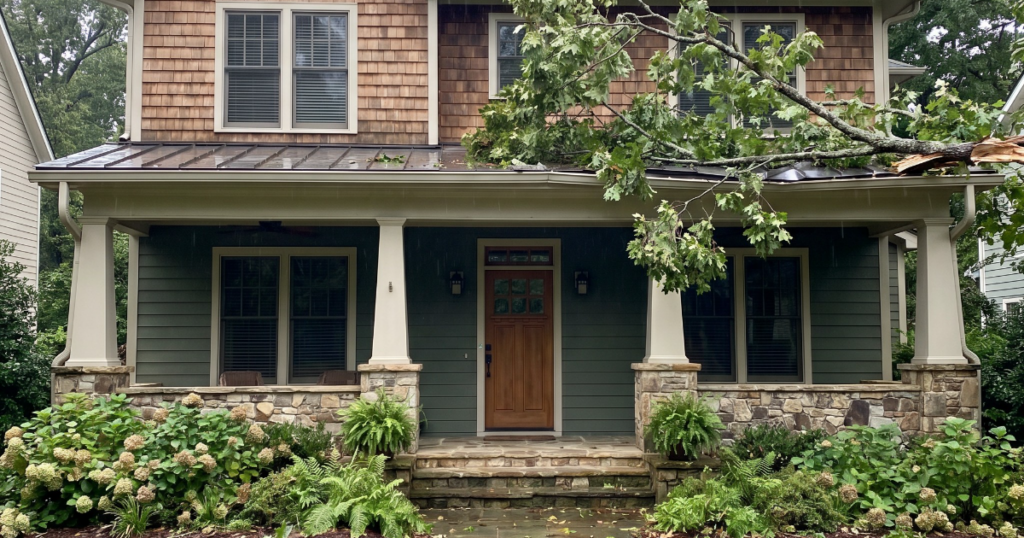
When a limb comes down on or near the roof, the first question is usually practical: can it be cleaned up, or did it leave damage that matters? Before the branch is moved, take a few minutes to photograph what changed. That can make the next conversation with a contractor, insurer, or claim reviewer much clearer.
For Georgia homeowners, timing matters because cleanup can erase useful context. A bent gutter, lifted shingles, scraped roof edge, damaged fascia, cracked vent, or new ceiling stain may all help explain what happened and whether the issue is maintenance, below-deductible damage, or something worth a policy review.
Referenced sources
- Georgia Office of Commissioner of Insurance and Safety Fire: Insurance Claim Tips
- Ready.gov: Thunderstorms and Lightning
Start with safety, then photos
If the limb is touching a power line, hanging overhead, or sitting on an unstable section of the home, keep distance and call the right emergency or tree-removal help first. Ready.gov’s thunderstorm guidance warns about hazards after storms, including downed power lines and fallen trees.
Once it is safe, documentation becomes important. Georgia OCI’s claim tips advise homeowners to take photos or video before temporary repairs when possible, keep receipts for temporary repairs, keep damaged property for inspection when possible, and avoid permanent repairs before the damage is inspected.
What to photograph before cleanup
You do not need to know whether something is claim-worthy before you start documenting. You only need to preserve what you can see while the cause is still obvious.
- Take wide photos that show the limb, the roof area, and where it landed.
- Take close photos of bent gutters, lifted or missing shingles, cracked trim, damaged fascia, roof vents, or siding marks.
- Check inside for new stains, dripping, damp insulation, or ceiling changes after the storm.
- Write down when the storm happened, when you first noticed the limb, and when cleanup started.
- Keep invoices and receipts for tree removal, tarping, temporary repairs, or emergency mitigation.
- Keep damaged material available for inspection when it is safe and practical.
Coverage depends on what was damaged
A limb in the yard may be a cleanup issue. A limb that damages the roof, gutter, siding, fence, or interior may raise different questions. Deductibles, exclusions, tree-removal limits, temporary repairs, matching, depreciation, and policy language can all affect whether a claim makes sense.
That is why a second set of eyes can help before a homeowner files, accepts an answer, or makes permanent repairs. The goal is not to force a claim. The goal is to understand whether the facts and policy point toward routine cleanup, a below-deductible repair, or damage that should be documented more carefully.
Questions worth answering before repairs
- Did the limb hit the home, or only the yard?
- Was any gutter, shingle, roof edge, vent, siding, fence, or interior surface changed?
- Was a temporary tarp or emergency repair needed?
- What does the policy say about wind, trees, debris removal, temporary repairs, and deductibles?
- If the insurer already responded, did the decision explain the cause and policy language?
Those answers can give a homeowner peace of mind before cleanup changes the scene. They can also help avoid filing a claim that does not make sense.
Covenant perspective
If a limb came down and you are not sure whether it damaged the home, Covenant Claim Group can help you slow down and sort it out. We help Georgia property owners review visible concerns, photos, estimates, causation, exclusions, deductibles, and policy language before they decide whether anything is claim-worthy.
Sometimes the answer is routine cleanup. Sometimes it is a small repair. Sometimes the insurer’s denial or settlement deserves a closer policy review. The useful part is knowing which one you are looking at before the evidence changes.
For a Georgia property damage review, call or text 470-676-4008 or email info@covenantclaims.net.
This post is general information for Georgia property owners and is not legal advice. Claim decisions depend on the policy, damage conditions, cause of loss, documentation, insurer review, and applicable law.