
July 27, 2026
Coverage Disagreement or Repair-Scope Disagreement? Why the Difference Matters
After recent storms, two very different property-insurance discussions can sound like the same disagreement.
One is about coverage: does the policy apply to the reported cause of loss and the damaged property?
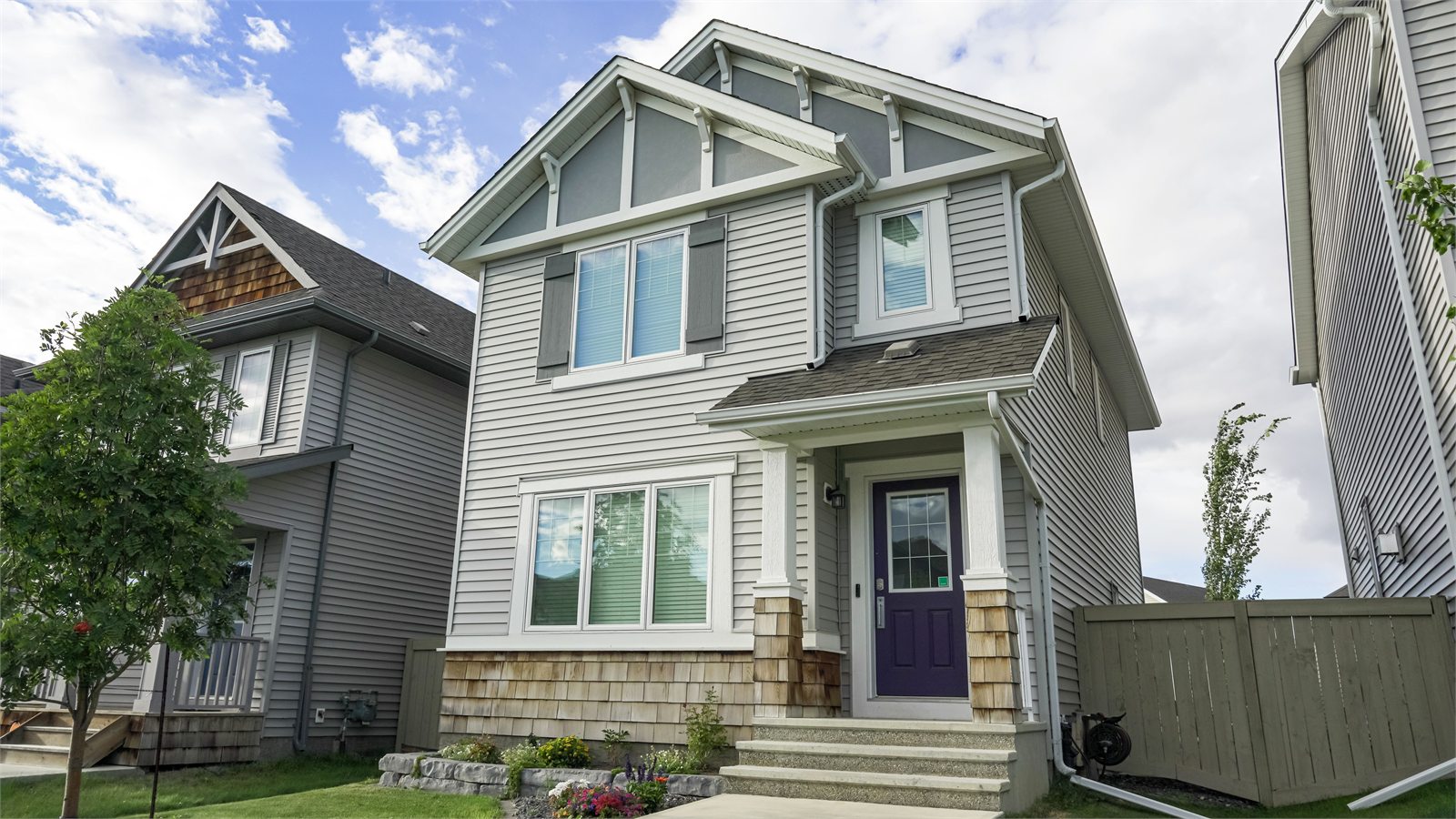
The other is about repair scope: what work is reasonably needed to repair the covered damage, and what should that work cost?
Keeping those questions separate makes a claim easier to understand.
Coverage starts with the policy and the cause of loss
A coverage decision looks at the reported event, the property involved, the policy language, and the facts that connect them.
The policy may address covered causes of loss, exclusions, conditions, deductibles, limits, and the way a loss is settled. A detailed contractor estimate can describe construction work, but it does not decide whether the policy covers the loss.
That is why a coverage explanation should identify the policy language and the facts used to reach the decision.
Repair scope starts with the damaged assembly
A scope discussion asks what must be repaired, removed, reset, replaced, or protected to complete the work properly.
That may involve:
- the damaged component and connected materials
- measurements and quantities
- access needed to perform the repair
- labor steps and repair method
- material availability and compatibility
- code-required work when it actually applies
- reasonable local pricing
A qualified professional should compare the visible condition, the surrounding assembly, the carrier estimate, and the contractor’s proposed work. The answer may be a small repair, a broader repair, maintenance, or no covered storm damage.
A covered claim can still have an open scope question
An insurer may accept that a covered event caused damage and still disagree about the number of units, the repair method, the labor needed, or a price line.
For example, a carrier and contractor might agree that one exterior component was damaged but disagree about how it connects to the surrounding assembly. That is a scope issue unless the disagreement also changes what the policy covers.
The word "covered" does not automatically settle every line item.
A repair estimate does not automatically prove coverage
The reverse is also true.
A contractor may prepare a careful estimate for work the property needs, but the estimate alone does not establish that every condition resulted from a covered event. Age, installation, maintenance, prior damage, and unrelated deterioration can exist beside storm damage.
The estimate explains the proposed construction work. The coverage decision still has to connect that work to the policy and the covered loss.
Some disagreements contain both issues
Real claims do not always stay in one box.
A disagreement about replacing connected material may involve repair method, matching, policy language, and state law. A code-upgrade question may involve the building official’s requirement, the contractor’s separated cost, and the policy’s Ordinance or Law wording. A water loss may involve both the source of water and the amount of material that must be removed.
When both issues are present, each should be stated plainly:
- What coverage decision is being made?
- What repair-scope decision is being made?
- What policy language supports the coverage decision?
- What physical facts and construction requirements support the scope?
Why the distinction matters
Treating a scope disagreement like a coverage denial can send the discussion toward the wrong evidence. Treating a coverage disagreement like a pricing problem can do the same thing.
A better review compares the policy decision and the repair decision side by side. The goal is not to force every estimate to match. It is to make sure each disagreement is answered with the evidence that belongs to it.
For more background on storm-related roof claims, see Covenant’s Georgia roof insurance claim guide.
Published by Covenant Claim Group LLC.