
July 28, 2026
Fallen Trees, Debris Removal, and Home Repairs After a Storm
After recent storms, one fallen tree can create three different insurance questions:
- Did the tree damage covered property?
- Does the policy address tree or debris removal?
- What repairs are needed for the damaged building or structure?
Those questions are related, but they are not interchangeable.
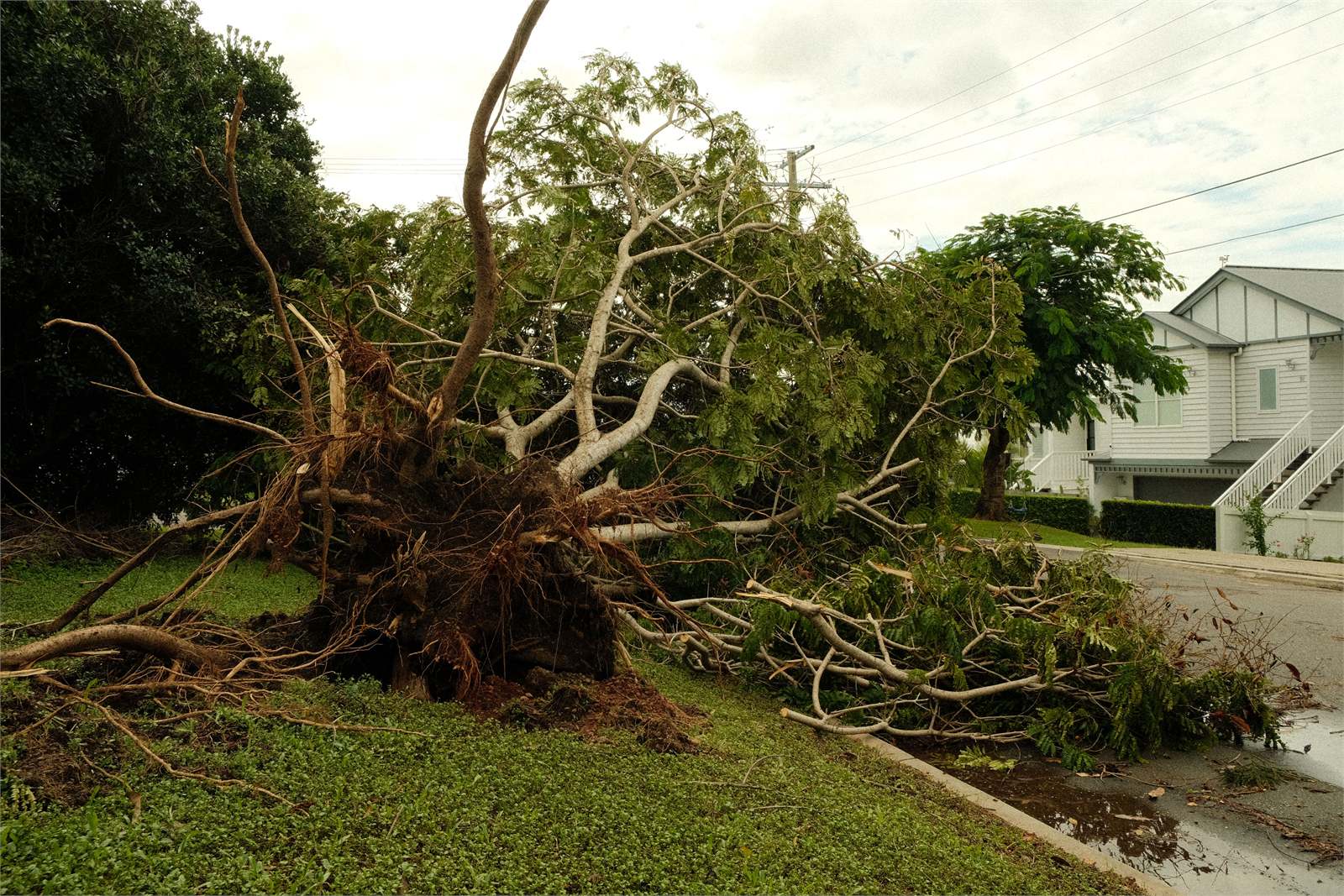
Start with what the tree struck
The first issue is whether the tree damaged the house, a detached structure, a fence, or another part of the property.
A tree lying across a yard is not the same condition as a tree that struck the roof, porch, garage, or service line. The location of the impact and the damaged property matter because a homeowners policy can treat the property damage and the cost of clearing the tree as separate items.
The cause of the tree fall also matters. Wind, lightning, decay, and an unrelated maintenance condition do not automatically lead to the same claim result. A qualified professional should inspect the tree, the point of impact, and the affected building components before cleanup or repairs change the condition.
Tree removal and debris removal are separate questions
Homeowners policies often contain specific wording for debris removal. That wording may address when the cost applies, what property must have been damaged, and whether a separate limit is involved.
That means the cost of cutting up and hauling away a fallen tree should not be assumed from the cost of repairing the roof or structure beneath it. A removal estimate should identify the work being priced, such as access, lifting, cutting, hauling, and disposal.
Policy forms and limits vary. The actual policy and claim facts control the answer, not a general rule from another loss.
Building repairs need their own scope
Once the tree is safely removed from the damaged area, the repair scope starts with the building assembly that was struck.
For a roof impact, that may include:
- roof covering and underlayment
- decking and framing
- flashing and ventilation
- gutters, fascia, and soffit
- interior finishes affected by an opening or water entry
For a porch, fence, garage, or detached structure, the affected materials and connections will be different.
A repair estimate should separate the tree-removal work from the construction work. That makes it easier to compare the policy decision, the removal expense, and the building repairs without blending them into one number.
Emergency work should stay tied to the condition
A fallen tree can leave the property unsafe or exposed to weather. Temporary work may be needed to secure the area or protect an opening.
Emergency work should still be described clearly. The record should distinguish temporary protection from permanent repairs and identify what was done because of the immediate condition.
This does not mean every fallen tree creates covered damage. It means each part of the loss should be evaluated on its own facts.
Keep the three questions separate
The clearest review usually puts the answers side by side:
- what property was physically damaged
- what the policy says about tree or debris removal
- what permanent repairs are reasonably needed
Keeping those questions separate helps prevent a removal estimate from being mistaken for a repair estimate, or a repair estimate from being treated as the entire coverage decision.
For a broader look at weather-related property claims, see Covenant’s Georgia storm and hail claim guide.
After a tree strike, the useful first step is a safe professional inspection of the impact area and the connected building components before permanent repairs begin.