
August 10, 2026
Dormer Roof Transitions After Recent Storms: What an Inspection Should Compare
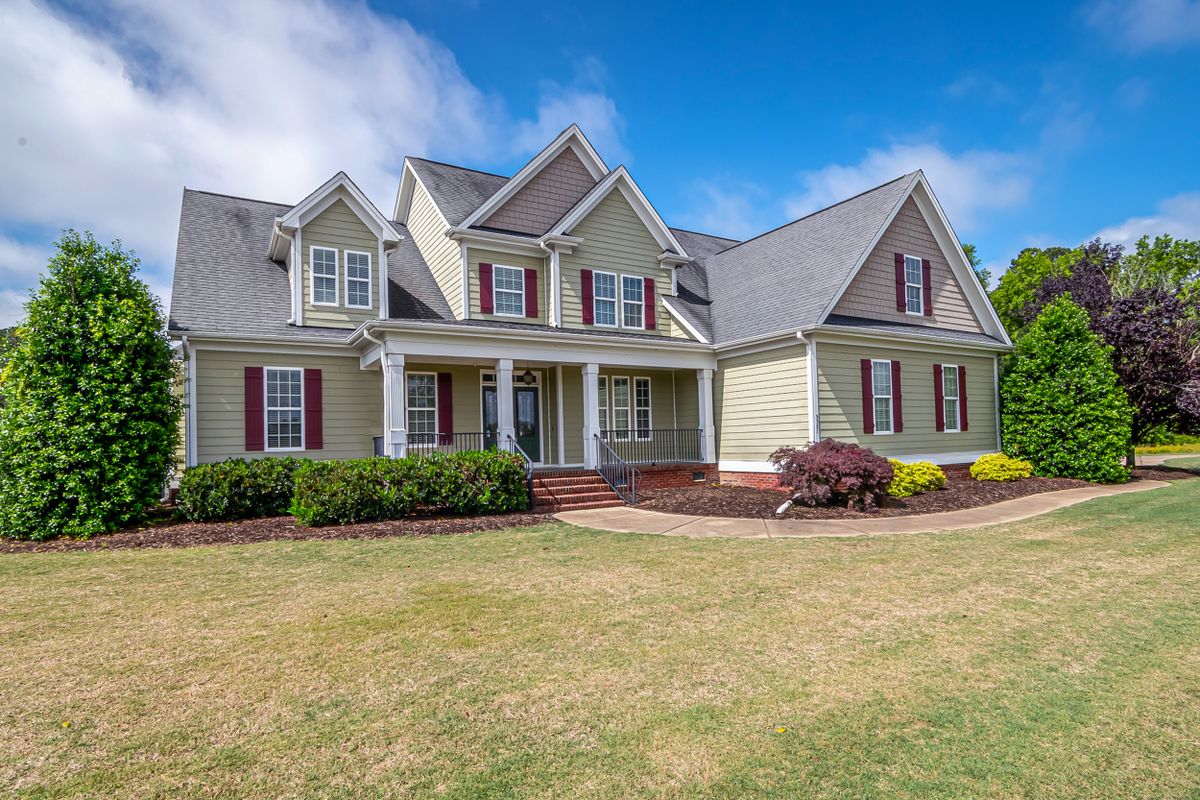
A dormer changes an otherwise open roof slope into several connected transitions. Shingles meet sidewalls, small roof sections meet the main roof plane, trim covers edges, and flashing carries water around the opening. After recent storms, an inspection should treat those pieces as one assembly instead of looking at the most visible shingle in isolation.
The National Weather Service advises people to stay out of damaged buildings and away from downed power lines after severe weather. Once the property is safe, a qualified professional can inspect the roof and dormer transitions and explain whether anything shifted, opened, cracked, or lost its ability to shed water.
The corners matter as much as the field shingles
The broad roof plane is usually easy to see. The tighter details around a dormer are where the repair sequence can become more complicated. The inspection should compare the field shingles with the dormer sidewalls, lower corners, headwall, trim, underlayment, and flashing.
That comparison should cover practical details:
- Shingles that are lifted, creased, cracked, displaced, or missing near the dormer.
- Metal flashing or edge material that moved where the roof meets the wall.
- Visible changes in trim, cladding, sealant joints, or fasteners.
- Staining, moisture, or damaged material below the transition.
- The access needed to reach affected material without damaging sound adjacent roofing or wall finish.
National Weather Service hail guidance notes that roof coverings can be damaged and points to nearby physical clues such as dented soft-aluminum roof vents. The same component-by-component approach is useful at a dormer. One surface may show the first clue, while the repair may involve connected roofing, flashing, trim, or wall material.
Compare both sides and every change in direction
Wind and water do not meet every side of a dormer in the same way. One side may face the weather while the opposite side looks unchanged. The lower corners can collect runoff from the upper roof, and the small roof section above the window may drain differently from the main slope.
A qualified professional should compare the left and right sidewalls, the upper and lower corners, the dormer roof, and the surrounding main roof plane. That does not mean every side needs replacement. It means the inspection should explain why the proposed repair area is large enough to restore the assembly and small enough to stay tied to the physical condition found.
The estimate should follow the repair order
A line item for a few shingles may not explain how a roofer will reach flashing behind trim or wall material. A broad replacement may also be unsupported if the lasting condition is confined to a repairable section. The contractor scope and carrier estimate should describe the same location, materials, access, and order of work.
The comparison should identify whether the repair requires:
- Removing and replacing shingles around the transition.
- Detaching and resetting trim or cladding to reach flashing.
- Replacing damaged underlayment, sheathing, or edge material.
- Blending the repair into sound roofing without creating a new weak point.
- Restoring the drainage path at the lower corners of the dormer.
The Georgia roof insurance claim guide explains why roof condition, repairability, estimate scope, and policy language need to be reviewed together.
Keep the conclusion tied to what the inspection proves
Recent severe weather can justify a careful look at a dormer and the roof around it, but weather alone does not prove the cause of a condition or determine coverage. The qualified professional’s findings should separate recent physical changes from age, prior repairs, installation details, or ordinary maintenance.
Before permanent work begins, compare those findings with the contractor scope, carrier estimate, material instructions, and the full repair sequence. The same roof plane, dormer side, corner, and material should be described consistently across the documents. That gives everyone the same physical starting point before the transition is closed back up.
This article provides general educational information. It does not determine storm causation, coverage, or the repair scope for a specific property.