
August 12, 2026
After a Kitchen Fire: Accounting for the Full Property Loss
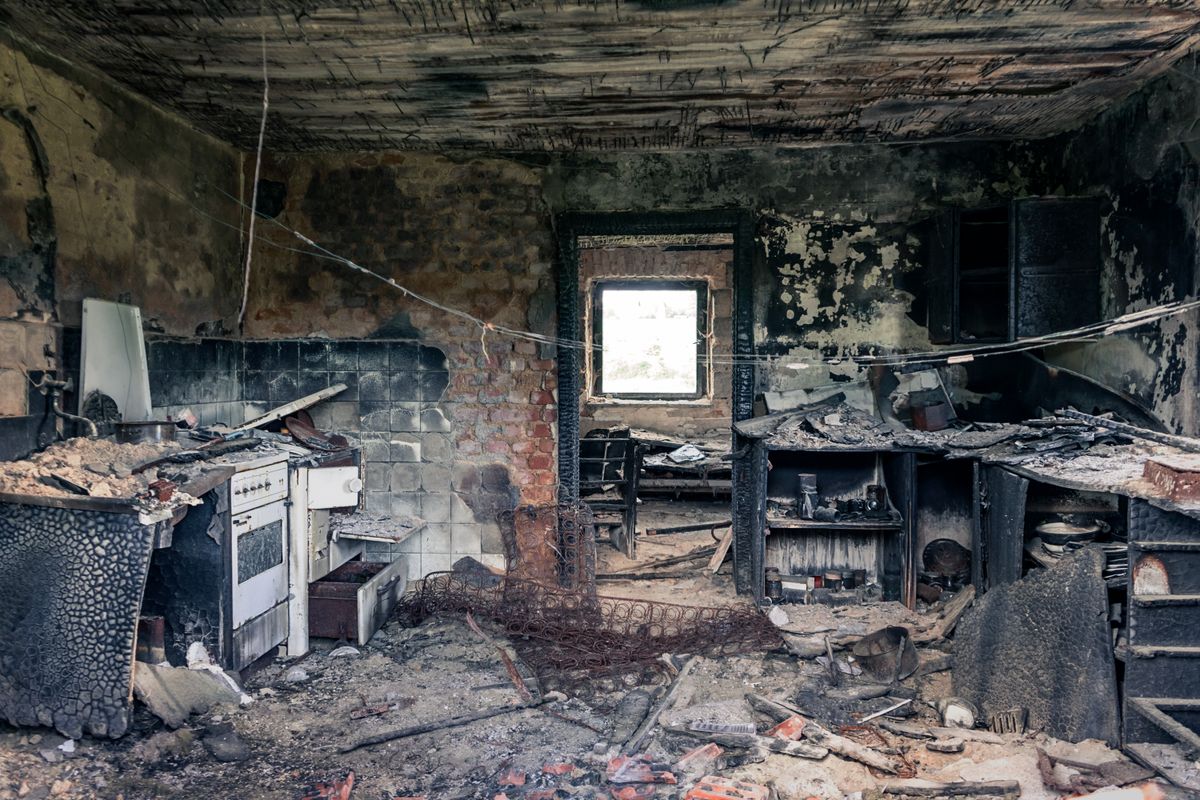
When a house fire starts in the kitchen, the charred cabinets and damaged appliances are usually the most visible part of the loss. The effects can extend much farther. Heat can damage finishes and nearby materials, smoke and soot can move through adjoining rooms and mechanical systems, water can affect floors and walls, and firefighting work can create openings or debris that also need to be addressed.
The first priority is safety. The U.S. Fire Administration advises residents to wait for fire officials before re-entering and warns that soot and dirty water left after a fire can be hazardous. Once safe access is available, the claim still needs a disciplined account of what happened to the building and its contents.
Separate the visible burn area from the complete loss scope
A room-by-room loss record should distinguish direct flame damage from heat, smoke, soot, water, and fire-response damage. That distinction matters because each condition may involve different cleaning, testing, removal, or repair work. It also helps connect the fire department report, emergency-service records, restoration documents, contractor estimates, and carrier estimate to the same physical loss.
A public adjuster can inspect the observable conditions and organize the scope around affected areas such as:
- Cabinets, counters, wall finishes, ceilings, flooring, appliances, wiring, and plumbing in the kitchen.
- Adjacent rooms where smoke, soot, heat, or water traveled.
- Heating and cooling components or duct paths that may have carried residue.
- Doors, windows, walls, or roof areas opened during firefighting work.
- Personal property that needs cleaning, testing, storage, repair, or valuation.
That work does not determine whether every item is covered or payable. It creates a supported map of the loss so the policy terms and estimates can be reviewed against the same documented conditions.
Connect building work, contents, and emergency services
Fire claims often generate several separate records. A restoration company may write a cleaning or demolition estimate. A contractor may price rebuilding. Contents vendors may inventory, move, clean, store, or dispose of personal property. The carrier may prepare a building estimate and a separate contents process.
A public adjuster can organize those records by room, material, task, and sequence. For example, rebuilding a cabinet wall may require debris removal, electrical work, plumbing access, cabinet installation, countertop work, paint, and protection of adjoining areas. Cleaning soot from a nearby room may also depend on whether porous materials can be restored and whether mechanical systems were affected.
The practical goal is to keep connected work from being treated as unrelated paperwork. A supported scope should show how emergency measures, cleaning, contents handling, access, and reconstruction fit together.
The Georgia fire and smoke damage claim guide explains why visible burn damage, smoke and soot, water, contents, and emergency work need to stay connected throughout the claim.
Account for personal property without losing the building picture
The U.S. Fire Administration notes that home fires can damage belongings through flames, heat, smoke, and water. A contents record therefore needs more than a list of items that burned. It may include property exposed to soot, water, or fire-response activity, along with the handling and evaluation required for each category.
A public adjuster can help organize the contents portion alongside the building claim and identify where quantities, room locations, handling charges, or documented conditions are unclear or absent. The same review can connect contents work with the space, labor, and access needed to complete building repairs.
Present one supported picture of the loss
A kitchen-fire claim is easiest to understand when the fire report, photographs, restoration records, contents documentation, contractor scopes, carrier estimate, and policy are reviewed as parts of one event.
A public adjuster can identify missing or unclear areas, explain how the records relate, and present the building, contents, emergency services, and repair sequence in an organized form. The central question is whether the claim record accounts for the full documented effects of the fire rather than stopping at the first visibly burned surface.
This article provides general educational information. It does not determine coverage, causation, payment, or the outcome of any individual claim.