
August 15, 2026
After a Major Water Loss: Building the Full Property Picture
An upstairs washing-machine supply line can release a large amount of water before anyone reaches the shutoff. The laundry floor may be visibly wet, but the loss can extend into the subfloor, wall cavities, insulation, the ceiling below, nearby rooms, cabinets, trim, flooring, and household contents. Emergency crews may begin extraction and selective demolition within hours, which means the physical scene and the repair scope can change quickly.
That is where a public adjuster can make a practical contribution. The role is not to assume every wet material must be replaced or that a policy will pay for every item. The role is to identify the affected areas, organize the building and contents scope, connect mitigation records with repair estimates, and present a complete, supported claim record for evaluation.
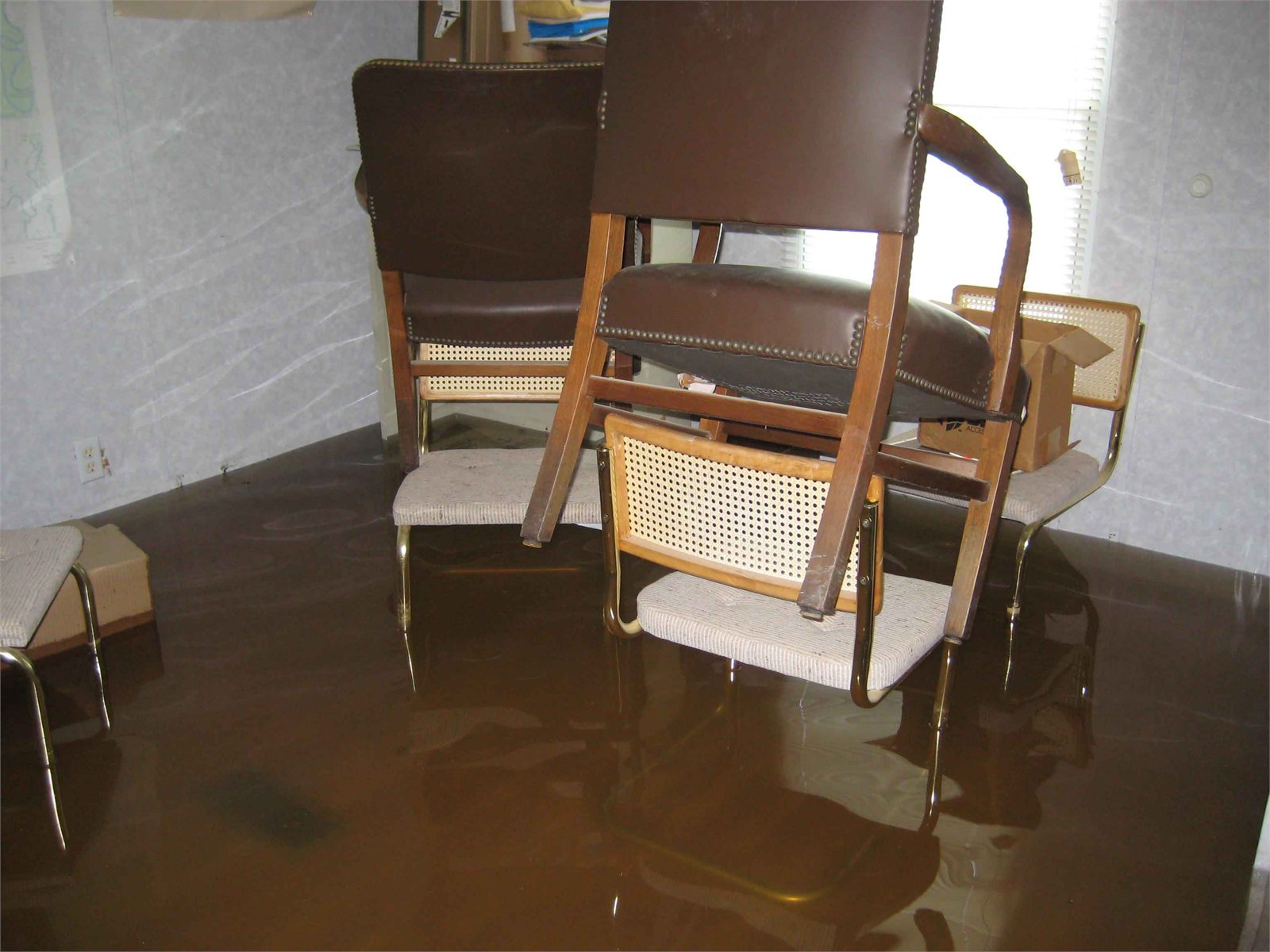
Follow the water through the building
The first visible puddle rarely shows the full path. Water can move through seams, penetrations, framing bays, flooring joints, and openings around plumbing or electrical fixtures. An upstairs source can affect the room where the release began and one or more rooms below.
A public adjuster can map that path room by room. The record may identify the source area, wet flooring and underlayment, affected baseboards and drywall, ceiling finishes below, insulation, built-in cabinets, and personal property that was moved or damaged. Moisture readings and thermal observations can be tied to the exact room and material rather than left as disconnected images or numbers.
The map matters because different materials react differently to water. EPA guidance explains that carpet and backing, wallboard, insulation, wood, hard flooring, and upholstered items may require different drying or removal decisions. The record should show what material was present, what the mitigation team observed, and what work was performed.
Connect emergency mitigation to the repair scope
Mitigation documents and permanent-repair estimates describe different stages of the same loss. An extraction invoice may list equipment, drying days, removed baseboard, opened drywall, detached cabinets, or flooring work. A later repair estimate should address the documented areas that were removed, damaged, or disturbed, along with reasonable access and finish work.
A public adjuster can reconcile those records into one chronology. That can include the plumbing report, mitigation photographs, moisture logs, equipment records, demolition notes, room measurements, contractor estimates, and carrier inspection documents. If the mitigation file shows that a ceiling was opened below the laundry room, the repair record should identify that room and the affected ceiling assembly. If cabinets were detached to reach wet materials, the scope should explain the related reset or repair work.
This process can reveal an omitted room, material, quantity, or sequence without promising that a disputed item will be covered. It also helps prevent the emergency invoice and the repair estimate from becoming two unrelated files.
Account for building components and contents separately
A major water loss can affect both the structure and the belongings inside it. Building items may include drywall, insulation, trim, paint, flooring, cabinets, and permanently installed fixtures. Contents may include furniture, rugs, electronics, clothing, books, or stored household items.
A public adjuster can keep those categories organized while preserving the relationship between them. The room record can identify where an item was located, what condition was observed, whether it was moved for mitigation, and whether cleaning, storage, repair, or replacement was proposed. That structure helps a reviewer understand the loss without blending personal property into the building estimate.
The same discipline applies to temporary measures. Water extraction, dehumidification, air movement, debris handling, contents manipulation, and temporary protection should be connected to the rooms and materials they served. The record should explain the work rather than rely on an invoice total alone.
Keep cause, coverage, and scope questions distinct
A plumbing release can raise several separate questions about what failed, which areas were affected, what emergency work was necessary, what permanent repairs are supported, and which policy provisions and limits apply. Each question should be documented accurately without turning one observation into a conclusion about all the others.
Georgia’s Office of the Commissioner of Insurance explains that homeowners coverage varies with the policy, selected options, limits, construction, location, and the event involved. A public adjuster can review the policy language alongside the loss documents and identify questions that need a carrier response. Coverage, payment, and the claim outcome remain subject to the policy and carrier evaluation.
EPA guidance also emphasizes prompt drying of water-damaged materials and notes that hidden moisture can remain behind finishes. That makes the timing of mitigation records important, but it does not establish the cause of loss or policy coverage by itself.
Build one supported claim package
The completed file should allow a reviewer to move from the reported supply-line failure to the water path, affected rooms, mitigation work, contents handling, repair estimate, and unresolved policy questions without guessing how the documents fit together.
The supported package can keep three connected records easy to follow:
- a room-by-room building and contents scope;
- the mitigation chronology and invoices; and
- the permanent-repair estimate with unresolved policy questions.
For broader background, see this educational overview of Georgia water-damage claim records.
That is the value a public adjuster can add after a major residential water loss: a room-specific scope, a clear chronology, and one organized set of building, contents, mitigation, and repair records. The work does not promise a result. It makes the documented facts complete enough to evaluate.
This article provides general educational information. It does not determine coverage, causation, payment, or the outcome of any individual claim.