
October 8, 2026
The Estimate Says Included Elsewhere. Ask Where.
You ask why a repair item is missing from the insurance estimate. The answer comes back: it is included elsewhere. That may explain the difference, but you still need to know where to look.
Ask for the exact line and estimate version
Start with the date of the estimate both sides are reading. Then ask the adjuster to identify the page, room and line that includes the work in question. A reference to painting or repairs in general can leave you and your contractor talking about different tasks.
Keep the question narrow. If your contractor listed one preparation step separately, ask which existing item includes that same step. Do not assume that every separate contractor charge must become a separate insurance line. The goal is to understand what work each description includes.
Compare the work behind the labels
Put the two descriptions beside each other. Ask your contractor to explain the operation, location and quantity behind the requested item. Ask the insurer whether its cited line includes those same details. Similar wording alone does not settle that comparison.
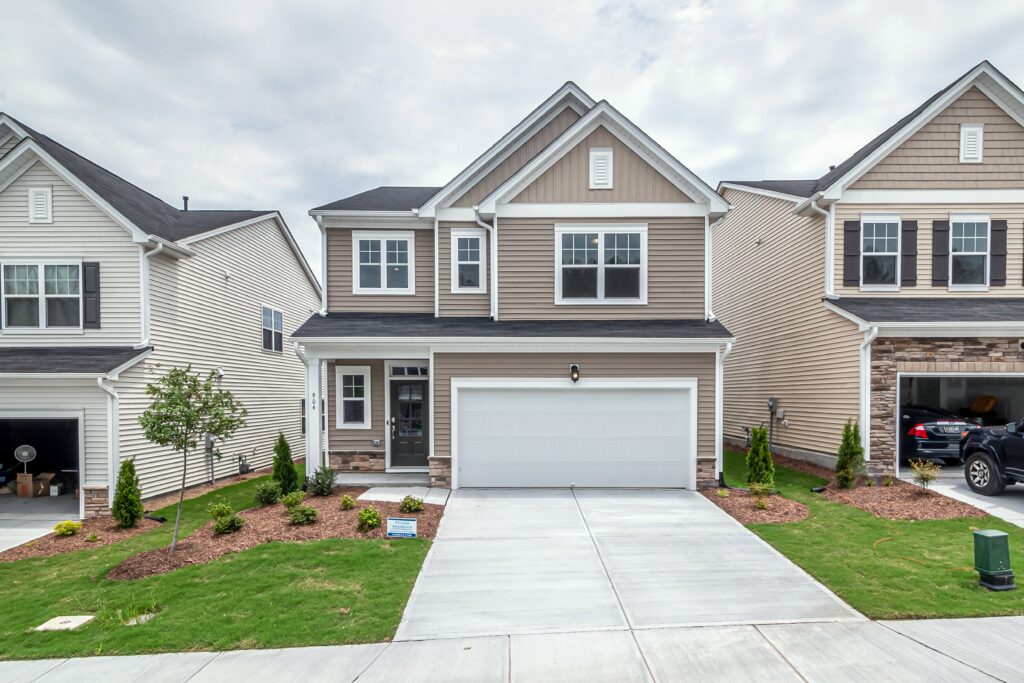
For example, a contractor might list preparation and finishing separately while another estimate uses a combined description. Ask what is in the combined item before calling the preparation missing or adding it again. This is an organizational example, not a finding about a particular estimating system or the home pictured here.
Make the overlap visible
A simple comparison can use four columns: the requested task, the contractor’s line, the insurer’s cited line and the remaining question. If only part of the task overlaps, identify that part. If the insurer points to a different room or quantity, record the difference without assuming it is an error until it has been explained.
Keep both original estimates. Add notes in a separate document rather than changing either party’s figures. When a revised estimate arrives, save it with its date and check whether the cited line or explanation changed.
Use a question the reviewer can answer
You could write: Thank you for explaining that this work is included elsewhere. Please identify the estimate version, page and line that includes it, along with the work and quantity included in that line. Our contractor’s description is attached so we can check whether we are discussing the same task.
The NAIC recommends explaining a settlement disagreement to the insurer and keeping the paperwork. A precise reference helps you do that without relying on a disagreement over the total alone.
An unclear line does not by itself prove underpayment, and a contractor’s separate charge does not establish policy coverage. Once the descriptions are clear, you can identify whether the remaining question concerns the work, quantity, price or coverage and ask for the appropriate explanation. Covenant Claim Group helps homeowners organize estimate questions so the specific issue is easier to review.