
June 5, 2026
After Heavy Rain, Check Water Entry Before It Becomes a Claim Fight
Referenced source: Georgia OCI: Safety Tips for Flooding
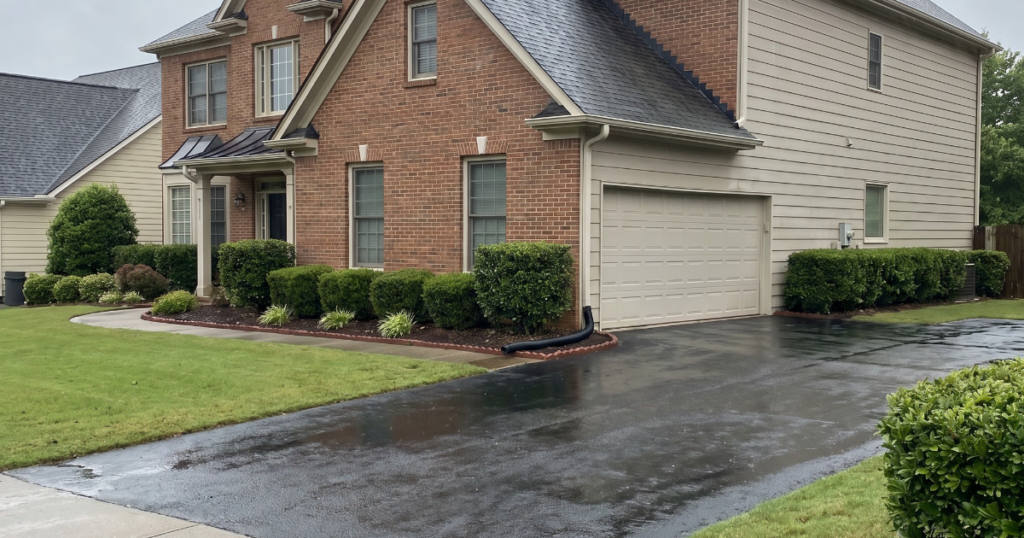
After heavy rain, a home can leave you with more questions than answers. Maybe there is a new ceiling stain. Maybe water collected near the foundation. Maybe the gutters overflowed, a window leaked, or a room smells damp. The first move is not to guess. The first move is to document what changed and understand what kind of water issue you may be dealing with.
For Georgia homeowners, that distinction matters. A roof leak, wind-driven rain, drainage problem, plumbing issue, surface flooding, or long-term maintenance condition can be treated differently under policy language. Photos, timing, and a careful look at the cause can make the next step clearer before repairs erase the evidence.
Referenced sources
- Georgia Office of Commissioner of Insurance and Safety Fire: Insurance Claim Tips
- Georgia Office of Commissioner of Insurance and Safety Fire: Safety Tips for Flooding
- Ready.gov: Floods
Start with safety, then documentation
Ready.gov warns that floods can develop slowly or quickly and that flash floods can come with little warning. Georgia OCI’s flood safety guidance also points homeowners toward higher ground during active flooding and reminds drivers not to enter flooded roadways.
Once the immediate danger has passed, documentation becomes important. Georgia OCI’s claim tips advise homeowners to take photos or video before temporary repairs when possible, keep receipts for temporary repairs, keep damaged property for inspection when possible, and avoid permanent repairs before the damage is inspected.
What to check after heavy rain
You do not need to know whether something is claim-worthy before you start documenting. You only need to preserve what you can see and when you noticed it.
- Take wide photos of the room, exterior wall, roof slope, or yard area involved.
- Take close photos of stains, wet flooring, damp trim, soft drywall, gutter overflow, or visible roof concerns.
- Write down when the rain happened, when you first noticed the issue, and whether it changed over time.
- Keep receipts for tarping, drying, mitigation, cleanup, or temporary repairs.
- Do not throw away damaged material before it can be reviewed if it is safe to keep.
- Separate active flooding safety concerns from insurance documentation concerns. Safety comes first.
Coverage depends on cause and policy language
Water claims can be confusing because the visible damage may look similar even when the cause is different. Water from a roof opening, wind-driven rain, a plumbing release, seepage, surface flooding, or poor drainage may not be handled the same way. Deductibles, exclusions, endorsements, flood coverage, and the facts around the loss all matter.
That is why a second set of eyes can help before a homeowner files, accepts an answer, or makes permanent repairs. The goal is not to force a claim. The goal is to understand whether the facts and policy point toward maintenance, a below-deductible issue, flood-related coverage, or a property claim that should be documented more carefully.
Questions worth answering before repairs
- Where did the water appear first?
- Was there a roof, gutter, window, flashing, plumbing, drainage, or flood source?
- Did the damage happen suddenly, or has it been building over time?
- What does the policy say about water, flood, seepage, maintenance, wind, and temporary repairs?
- Has the insurer or contractor explained the cause, not just the repair price?
Those answers can keep a small concern from turning into a messy claim dispute. They can also help a homeowner avoid filing a claim that does not make sense.
Covenant perspective
If heavy rain left you with a wet spot, a leak, damp trim, a drainage concern, or uncertainty about what changed, Covenant Claim Group can help you slow down and sort it out. We help Georgia property owners review visible concerns, photos, estimates, causation, exclusions, deductibles, and policy language before they decide whether anything is claim-worthy.
Sometimes the answer is routine maintenance. Sometimes it is a flood coverage question. Sometimes it is a property claim that deserves better documentation. The useful part is knowing which one you are looking at before the evidence changes.
For a Georgia property damage review, call or text 470-676-4008 or email info@covenantclaims.net.
This post is general information for Georgia property owners and is not legal advice. Claim decisions depend on the policy, damage conditions, cause of loss, documentation, insurer review, and applicable law.