
June 7, 2026
After Rough Weather, Get Peace of Mind Before You Guess About Damage
Referenced source: Georgia OCI: Insurance Claim Tips
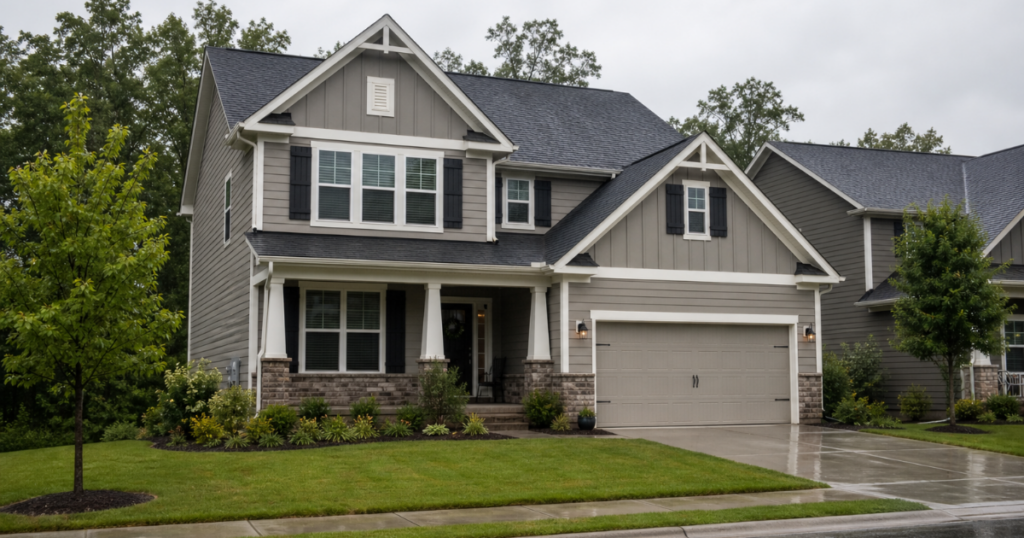
After a rough storm, many homeowners just want a straight answer: is the house okay, or is there something they should document before time passes? You do not have to know whether anything is claim-worthy before you start with a basic check.
For Georgia homeowners, the useful first step is simple: look over the exterior, take clear photos of anything that changed, and keep the policy handy before deciding what to do next. Sometimes the answer is routine maintenance. Sometimes it is something to monitor. Sometimes it is worth a closer review before repairs or an insurance decision move forward.
Referenced sources
- Georgia Office of Commissioner of Insurance and Safety Fire: Insurance Claim Tips
- Ready.gov: Thunderstorms and Lightning
Start with safety, then slow down
If there are downed lines, active leaking, hanging limbs, or anything unsafe overhead, keep distance and get the right emergency help first. Ready.gov’s thunderstorm guidance warns about hazards after storms, including downed power lines and fallen trees.
Once it is safe, documentation becomes the homeowner’s best friend. Georgia OCI’s claim tips advise homeowners to take photos or video before temporary repairs when possible, keep receipts for temporary repairs, keep damaged property for inspection when possible, and avoid permanent repairs before the damage is inspected.
What to check after wind or heavy rain
You are not trying to become an adjuster in your own yard. You are trying to preserve what you can see so the next conversation is based on facts instead of memory.
- Walk the outside from the ground and take wide photos of each side of the home.
- Photograph anything new or different, including missing shingles, bent gutters, damaged trim, siding marks, damaged fencing, or water entering near doors and windows.
- Inside, photograph new ceiling stains, dripping, damp flooring, or changes that appeared after the weather.
- Write down when the weather came through and when you first noticed the concern.
- Keep receipts for tarping, emergency repairs, cleanup, or mitigation.
- Save photos before permanent repairs change what can be inspected.
Peace of mind does not always mean filing a claim
A quick check may show that nothing serious happened. It may also show that the issue is small, below deductible, or better handled as maintenance. That is still useful information.
But if something did change, policy language matters. Deductibles, exclusions, temporary repairs, matching, depreciation, water-entry language, and prior insurer decisions can affect whether a claim makes sense. Getting that sorted out early can prevent rushed decisions.
Questions worth answering before you decide
- What changed after the weather, and what looks the same as before?
- Is there any active leak, stain, missing material, or visible exterior damage?
- Were temporary repairs or mitigation needed?
- Is the concern likely maintenance, below deductible, or worth documenting further?
- If the insurance company already denied the claim or paid less than expected, did the decision explain the policy language clearly?
Those answers can give a homeowner peace of mind before they file, repair, or accept an insurance answer.
Covenant perspective
If rough weather came through and you are not sure whether anything changed, Covenant Claim Group can help you slow down and sort it out. We help Georgia property owners review visible concerns, photos, estimates, causation, exclusions, deductibles, and policy language before they decide whether anything is claim-worthy.
Sometimes the answer is that the home appears okay. Sometimes it is a small repair. Sometimes an insurer denial or low settlement deserves a closer policy review. The useful part is knowing which one you are looking at before the evidence changes.
For a Georgia property damage review, call or text 470-676-4008 or email info@covenantclaims.net.
This post is general information for Georgia property owners and is not legal advice. Claim decisions depend on the policy, damage conditions, cause of loss, documentation, insurer review, and applicable law.