
July 19, 2026
Check Flashing and Roof Penetrations After Recent Storms
Flashing and roof penetrations can let water in even when the shingles still look normal from the ground.
Recent storms can put wind and heavy rain against chimneys, plumbing vents, exhaust vents, skylights, and roof-to-wall connections. Those areas depend on overlapping metal, boots, sealants, and fasteners to move water away from the home. A small separation can be easy to miss until moisture reaches the attic or a ceiling.
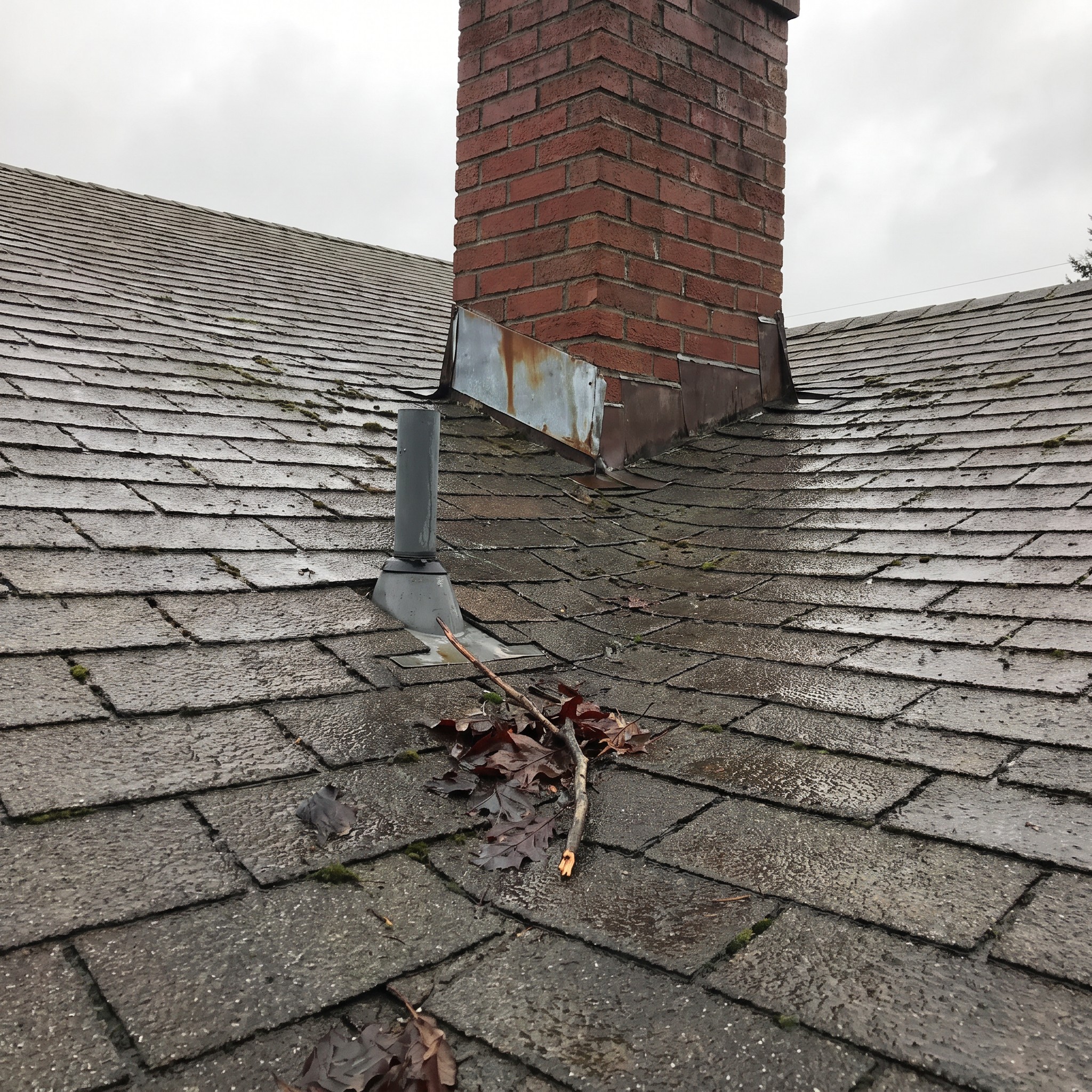
Do not climb onto the roof to look for it. Start with safe ground-level photos of each side of the house. Use a phone zoom only if you can keep the whole roof area in context. Look for a vent cap that appears tilted, flashing that no longer sits flat, loose metal near a chimney, lifted trim at a roof-to-wall connection, or debris resting against a penetration.
Then check the attic or upper interior only if it is safe and accessible. New dampness, darkened decking, wet insulation, a fresh drip line, or staining below a chimney or vent can help show where water traveled. Take wide photos that identify the room or attic area, followed by close photos of the condition. Do not disturb wet electrical materials or unstable insulation.
Document before caulk, tar, or a quick repair changes the condition. If emergency work is needed to prevent more damage, ask the contractor to photograph the area before removing materials. Keep the invoice, the contractor’s notes, and photos of anything taken off the roof. A repair photo without the original condition may not explain what changed.
Not every worn boot or cracked bead of sealant is storm damage. Age, maintenance, installation, and prior repairs can cause similar conditions. The point of an inspection is to separate those possibilities and determine whether there is a storm-related pattern elsewhere on the property.
If you already have a carrier estimate, compare it with the inspection findings before permanent work begins. A roof repair line may not include related interior damage, access work, matching materials, or the actual area where water entered. The facts at the property should lead the conversation.
Keep a simple timeline with the photos. Note when the condition was first noticed, whether rain was active, which room or attic area was affected, and what temporary steps were taken. Save the original image files instead of sending only screenshots. Clear dates, locations, and before-and-after records are more useful than a folder of close-up photos that cannot be tied back to the house.
Covenant Claim Group LLC represents the homeowner. We inspect the damage, document covered damage when it exists, review the policy and carrier estimate, and address missing or underpaid covered items with the carrier.
If recent storms came through your area, schedule an inspection before repairs or a claim decision. Call or text Covenant Claim Group at 470-676-4008 or email info@covenantclaims.net.