
October 7, 2026
Repairs Uncovered More Damage. What Goes Back to the Insurer?
The repair has started, and your contractor finds something the original inspection could not see. Before that discovery becomes another unexplained number on an estimate, make a clear record of what changed.
Separate the new finding from the original repair
Ask your contractor to identify the exact location, the date the condition became visible and the work that exposed it. Keep the original estimate. The new information should show what was already included and what the contractor now believes needs additional attention.
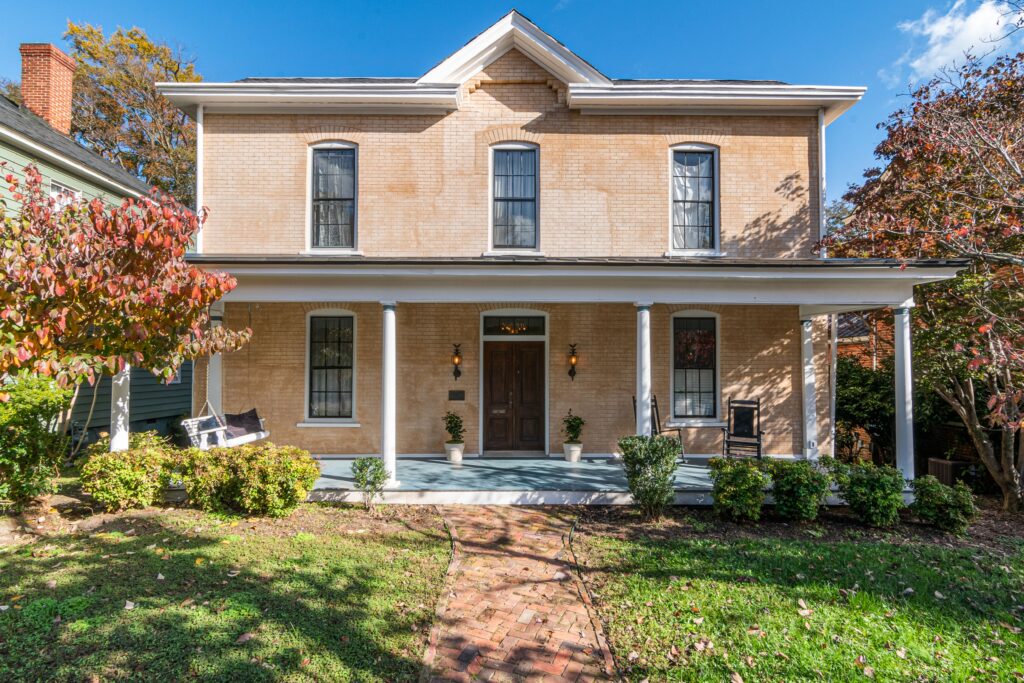
A useful description might say that removing the damaged ceiling in the hallway exposed another affected area above it. That is more useful than a note saying the job costs more. It gives the reviewer a place to look and a specific question to answer. This is an example, not a description of the house pictured here.
Keep the evidence connected
Where it is safe, ask the contractor for photographs showing the room, the newly exposed area and enough surrounding detail to identify the location. Pair those photographs with the relevant estimate page and the contractor’s explanation. A close view without context can be difficult for someone who has not visited the home to place.
Ask for the additional work to be listed separately from work already estimated. If a quantity replaces an earlier quantity, make that clear so the reviewer does not mistake it for a duplicate request. Keep both versions rather than overwriting the first one.
Ask what the insurer needs before the area is covered
Tell the adjuster promptly about the discovery and ask whether photographs, a contractor explanation or another inspection are needed. Ask how to coordinate that review with repairs before the condition is concealed again. Do not assume that sending a photograph means the additional work has been approved.
Let qualified professionals handle unsafe areas and necessary protective work. Do not enter an unsafe space, disturb hazardous materials or leave a hazard untreated just to obtain a better photograph. Keep a record of why urgent work was necessary and what could safely be documented.
Request an explanation, not just a new total
You could write: During the hallway ceiling repair, our contractor found the condition shown in the attached dated photographs. The attached comparison separates the original work from the additional work proposed. Please let us know what else you need to review this finding and whether another inspection is needed before the area is covered.
The NAIC advises homeowners who disagree with a settlement to explain their concern to the insurer and keep their paperwork. Here, the specific concern is the condition revealed during repairs and how it affects the estimate. Finding more damage does not by itself establish its cause, coverage or the amount payable under the policy.
Save the insurer’s response with the photographs and revised estimate. If the additional work is not included, ask which part of the request was not accepted and why. Covenant Claim Group helps homeowners organize these records and bring specific claim questions into focus.