
May 29, 2026
Is That Damage Claim-Worthy? What to Check Before You File
Referenced source: Georgia Office of Commissioner of Insurance: Insurance Claim Tips
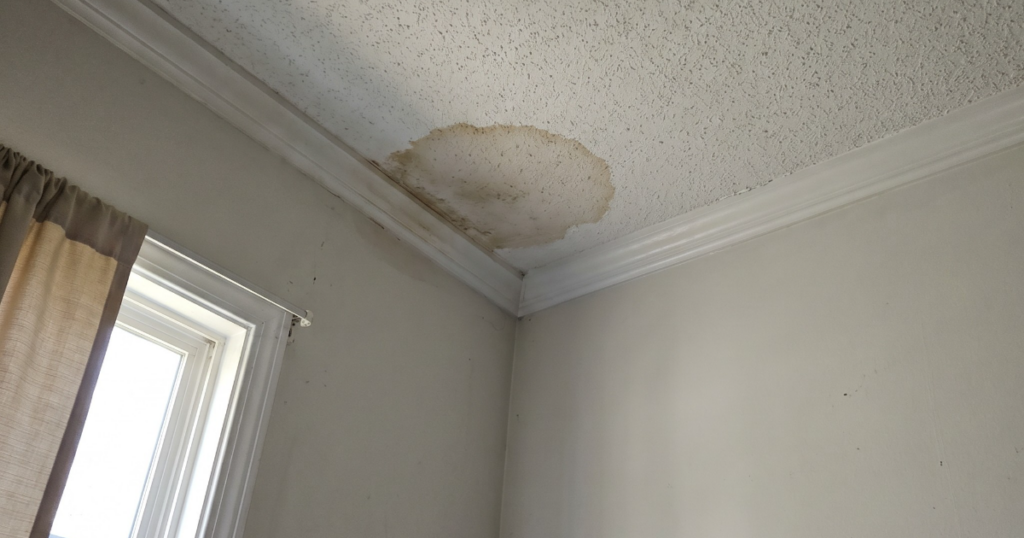
A new ceiling stain, damp trim, loose gutter, missing shingle, soft flooring, or stain around a window does not automatically mean you should file an insurance claim. It also should not be ignored. The first question is simple: what changed, what caused it, and does the damage look claim-worthy?
Sometimes the answer is a small maintenance repair. Sometimes the visible spot is only the first sign of a bigger problem behind the ceiling, wall, roof edge, gutter, flashing, or attic. A careful review at the beginning helps a homeowner decide whether a claim makes sense before cleanup, permanent repairs, or a quick insurance estimate narrows the issue too much.
Referenced sources
- Georgia Office of Commissioner of Insurance and Safety Fire: Insurance Claim Tips
- NAIC: Homeowners Insurance Consumer Guide
Start with what you can see
Walk the damaged area slowly and take photos before anything changes. Use wide shots to show where the issue is in the room or on the exterior, then take close photos of the stain, shingle, gutter, trim, flooring, or impact mark.
- When did you first notice it?
- Was there recent wind, rain, hail, fire, smoke, plumbing backup, or another clear event?
- Is the damage growing, damp, soft, stained, loose, cracked, or newly displaced?
- Is there related damage nearby, such as attic moisture above a ceiling stain or gutter damage near fascia staining?
- Has anyone already cleaned, patched, painted, or thrown damaged material away?
Before filing, think about cause and size
A claim is usually not just about the stain you can see. It is about the cause, the date of loss, the amount of damage, the deductible, and how the policy applies. NAIC’s homeowner materials explain that insurance policies and claim payments can depend on terms like deductible, actual cash value, and replacement cost. Those details matter because a claim that looks obvious at first may still need a closer review.
Georgia’s insurance claim tips also point homeowners toward practical steps after damage: protect the property from more damage, keep receipts for temporary repairs, and document conditions with photos or video. That does not mean rushing into a claim before you understand the damage. It means preserving proof while the issue is still fresh.
What makes something claim-worthy?
Damage is more likely to be claim-worthy when there is a sudden event, clear physical damage, enough scope to exceed the deductible, and documentation that connects the visible damage to the likely cause. It is less likely to be claim-worthy when the issue is old wear, routine maintenance, small cosmetic staining, or damage that falls below the deductible.
The hard part is that homeowners usually cannot see the full story from the first stain or broken piece of material. A small ceiling spot may be minor. It may also point to roof, flashing, attic, insulation, or moisture damage that needs to be checked before anyone paints over it.
Covenant perspective
Covenant Claim Group helps Georgia homeowners inspect visible and hidden damage, review likely cause, and look at how the policy may apply before deciding whether a claim is the right move. If the damage looks claim-worthy, do not let the first insurance estimate be the only review. A careful look up front helps make sure the damage, cause, and scope are not treated too narrowly.
If new damage showed up and you are not sure whether it should be filed, call or text 470-676-4008 or email info@covenantclaims.net.
This post is general information for Georgia property owners and is not legal advice. Claim decisions depend on the policy, damage conditions, cause of loss, documentation, and insurer review.