
August 14, 2026
Loose Siding, Shutters, and Trim After Recent Storms: Where a Public Adjuster Adds Value
After recent severe weather, the roof usually gets most of the attention. But wind can also work on the vertical and edge components of a home: siding panels, shutters, fascia, soffits, corner posts, and trim around windows and doors. A piece does not have to be lying in the yard for the condition to matter. A loosened edge, a shifted panel, or a fastener that no longer holds as intended can leave a small exterior opening that is easy to miss from the ground.
That is where a public adjuster can add practical value. The job is not to label every irregularity storm damage or decide what the policy covers. It is to inspect observable conditions, identify which components are affected, document how those conditions fit together, and help the homeowner understand whether the facts merit a claim discussion.
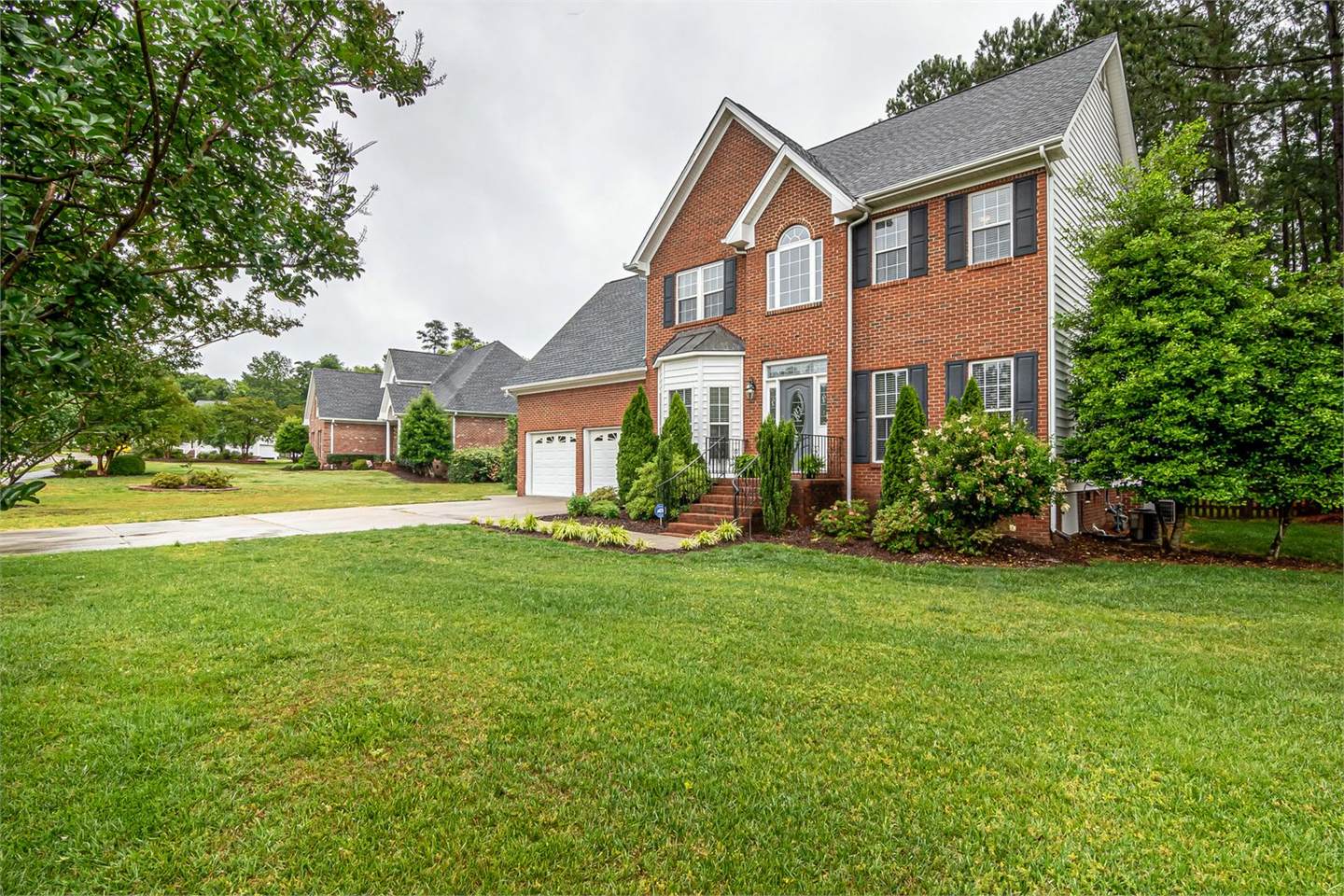
Wind can affect more than one exterior surface
Wind pressure does not act on every side of a building in the same way. Corners, roof edges, projecting trim, shutters, and panel laps can experience different forces depending on wind direction and the shape of the home. One elevation may look normal while another shows movement or separation. A shutter can pull at its anchors. A siding panel can disengage along an edge. Fascia or soffit can loosen where the roof overhang meets the wall.
Those conditions can also be related. If exterior trim shifts near a window, the public adjuster can inspect the surrounding siding, sealant lines, flashing, and interior finish instead of treating the visible piece as an isolated cosmetic issue. If a panel is loose near an eave, the inspection can include the connected soffit, fascia, and roof-edge area. The purpose is to build an accurate picture of the affected property, not to assume a cause from one photograph.
The friction is often in the scope
A storm-loss record can become incomplete when each visible item is handled separately. One note may mention a shutter. Another may mention a siding panel. A repair estimate may address only the piece that is easiest to see. That can leave open questions about access, adjoining material, matching dimensions, fasteners, water-management details, and whether the surrounding assembly also needs attention.
A public adjuster can organize those observations by elevation and component. The exterior inspection record can be connected to weather information, a contractor’s repair estimate, the carrier estimate, material identification, and any interior indication of water entry. Those document connections help explain why a condition belongs in the loss discussion and what still needs qualified evaluation. They do not establish coverage, causation, payment, or any particular outcome.
For this exterior scenario, the record can stay focused on three connected points:
- The exact elevation and component where movement, separation, or a failed fastener is observed.
- The nearby openings, sealant lines, flashing, fascia, soffits, and trim that may require qualified evaluation.
- The differences between the contractor estimate, carrier estimate, and observed repair scope, including any omitted area.
For broader recordkeeping context, the property-damage claim documentation checklist explains how photographs and supporting records can be organized before repairs change the scene.
What the public adjuster contributes
For this kind of potential damage, the useful contribution is disciplined documentation. A public adjuster can identify the affected siding, shutters, trim, fascia, soffits, and nearby openings; record where each condition appears; and organize the repair questions into one coherent scope. The adjuster can also review whether contractor and carrier documents address the same observed areas and whether related components have been omitted from the written record.
That work matters because a homeowner may otherwise make a claim decision with an incomplete understanding of the exterior condition. The right conclusion may be that the facts support a claim discussion. It may also be that the condition is maintenance-related, unrelated to the recent weather, or too limited to justify filing. A careful inspection helps keep that decision tied to observable facts.
Keep safety and timing in perspective
The National Weather Service advises waiting until the severe-weather threat has passed before assessing damage and staying out of damaged buildings. Exterior components can be loose, and overhead hazards or downed power lines may still be present. A qualified professional should handle close inspection where ladders, roofs, electrical hazards, or unstable materials are involved.
Georgia insurance guidance also emphasizes that coverage depends on the specific policy, limits, options, construction, location, and facts of the event. That is another reason to separate good property documentation from promises about what an insurer will cover.
The decision should rest on the full exterior picture
Loose siding, shifted shutters, and separated trim can look minor when viewed one piece at a time. A public adjuster can help identify and document the connected exterior conditions, organize the supporting records, and explain what remains uncertain so the homeowner can make a more informed claim decision. The value is a complete, supportable loss picture—not a promised result.