
September 8, 2026
When a Roof Claim Review Has Only Part of the Photo Set
Oklahoma Watch’s investigation into disputed roof claims describes a practical concern with remote review: the person making a later decision may not be the person who stood on the roof. The reporting discusses named Oklahoma litigation and allegations about claim handling, including changes after field inspections. Those allegations do not establish what happened in another homeowner’s claim, and a remote review is not, by itself, evidence of wrongdoing.
For an individual property, a more precise question is whether the reviewer received the same photographs and field findings as the person who performed the inspection. That is a question about the contents of a particular claim file, not a conclusion about an insurer’s motives.
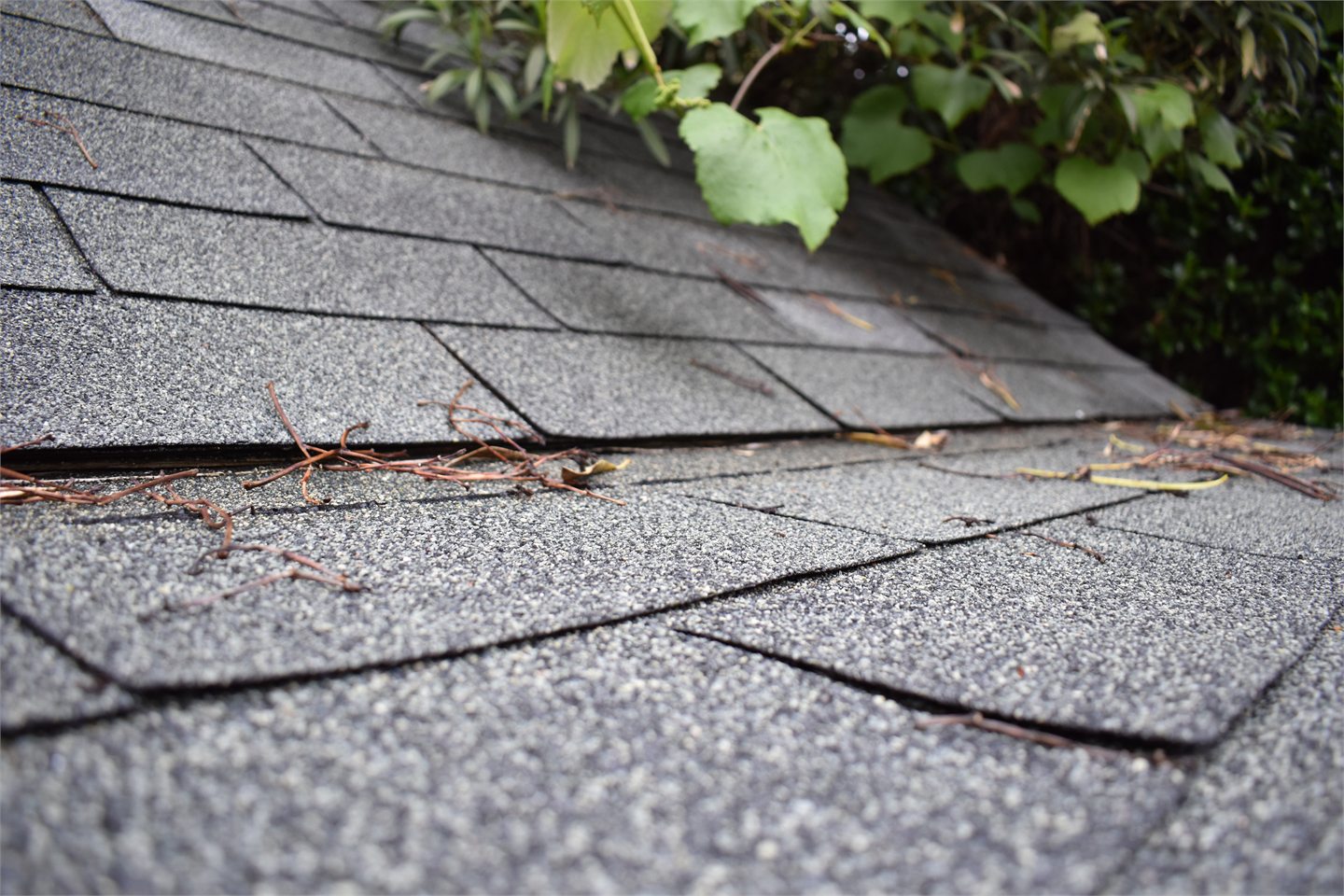
A close-up is not the whole roof
Consider an illustrative Georgia homeowner with an asphalt-shingle roof and a new ceiling stain after recent storms. The inspection produces a roof overview, several close-ups, and interior photographs. A later decision discusses the shingles but does not mention the interior stain. The homeowner needs to decide whether the explanation addresses the reported loss before choosing permanent repairs or seeking further review.
A close-up can show a shingle’s surface. It may not show which slope it belongs to, how near it is to a roof penetration, or whether it was taken at the same inspection as the interior photograph. Conversely, an interior stain does not establish its cause simply because a roof claim is open. Missing context should be identified, not filled in with an assumption.
The public adjuster’s contribution
A public adjuster can review the field report, photograph index, inspection dates, roof measurements, first estimate, revised estimate, and decision letter. The useful work is to identify which actual images support each stated finding, and whether the decision addresses the conditions reported at the property.
That review can distinguish a photograph that was never taken from one that exists but was not included in the reviewed packet. Those are different problems. The former may require a qualified inspection of an unresolved area; the latter may require consideration of an existing file. Neither justifies representing an unseen condition as proven damage.
The public adjuster’s file review can identify:
- the photograph number and the roof slope or interior location shown;
- the inspection date and the field finding associated with that view;
- the repair scope or denial letter that does, or does not, address that finding.
For the ceiling-stain example, the public adjuster can document the stain’s location during a property inspection, identify any relevant roof or attic observations available through safe access, and explain what remains unresolved. A qualified roofing or other technical professional may be needed for findings outside the available evidence or the adjuster’s expertise. The homeowner should not need to climb onto the roof to fill that gap.
A focused review instead of a general accusation
A review request can identify an omitted image by its file name or photograph number, the condition it depicts, and the finding in the decision letter that needs clarification. It can also ask which version of the field report and estimate the reviewer used. This gives a concrete reason for another look without asserting that the first conclusion must be wrong.
The broader background on Georgia roof insurance claims explains why the roof condition, repair scope, and policy terms remain separate parts of a claim. Complete photographs can improve the explanation of the property; they cannot establish coverage, storm causation, payment, or a successful outcome on their own.
Oklahoma Watch is the source for the reported Oklahoma dispute, not evidence about this illustrative Georgia scenario. The practical public-adjuster contribution is a precise account of what the claim file contains, what was reviewed, and which property question still needs an answer.
Source: J.C. Hallman, Oklahoma Watch’s investigation of insurance claim handling. Reported allegations and litigation are not presented here as findings applicable to another claim.
Photo: Shingle Roof, by FASTILY, CC BY-SA 4.0; resized and compressed. Illustrative roof photograph, not the reported property or evidence of storm damage.
