
August 2, 2026
Roof-to-Wall Flashing Can Send Storm Water Far From the Entry Point
A damp ceiling or stained wall after recent storms does not always sit directly below the place where water entered. At a roof-to-wall intersection, wind-driven rain can work behind siding or trim and follow framing before it becomes visible indoors.
The exterior transition matters
Step flashing and the wall’s water-shedding layers are supposed to move rain back onto the roof surface. A lifted edge, a gap at the trim, or a poor overlap can interrupt that path. The visible interior spot may be several feet away, which is why a quick look at the stain can point to the wrong repair.
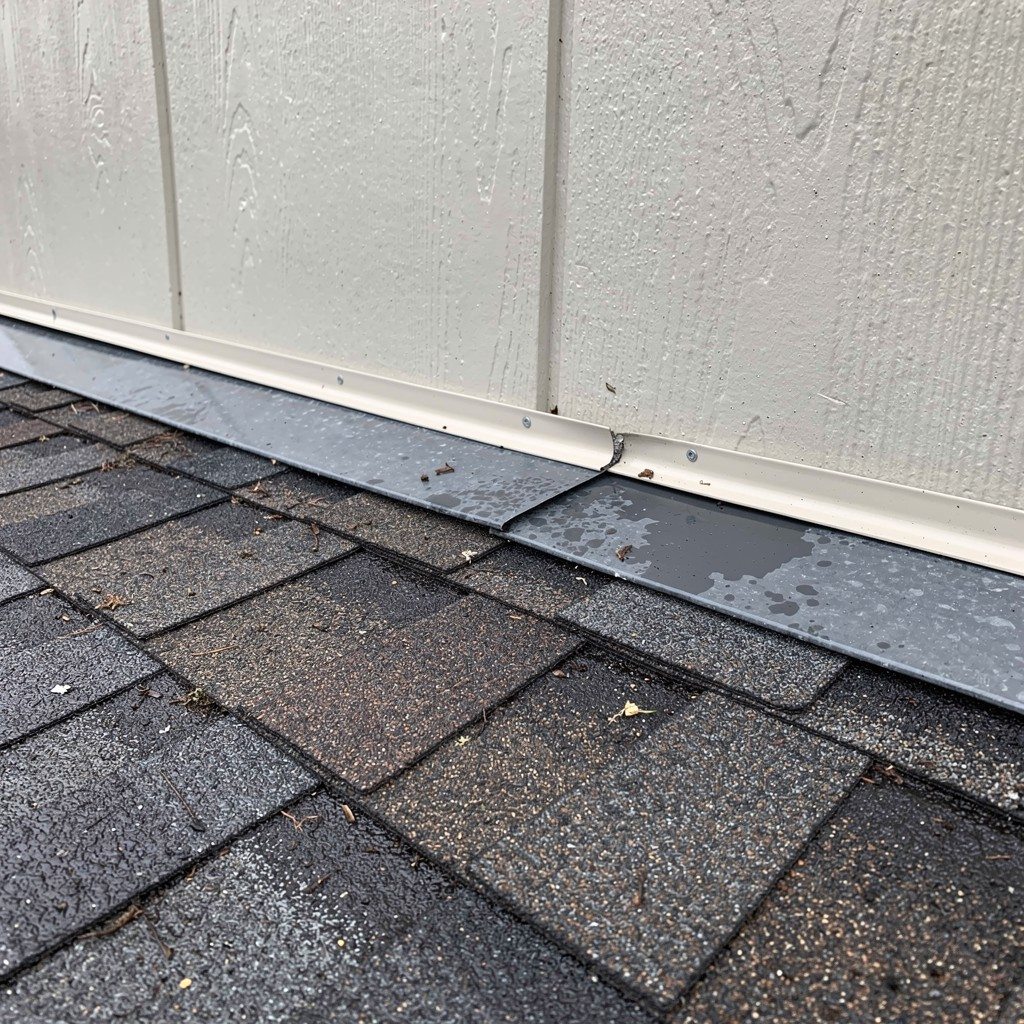
Compare the component, not just the room below it
A qualified professional should inspect the roof-to-wall intersection, nearby shingles, flashing sequence, siding or cladding termination, sealant joints, and the path water could follow. The goal is to determine whether the condition fits wind-driven rain, age or maintenance, an installation issue, or another cause.
Read the two scopes line by line
When a claim is involved, compare the contractor estimate with the carrier estimate. Look for the exact roof slope, wall section, flashing, siding or trim removal, access work, and interior repair line items. A room-level drywall allowance does not explain whether the exterior entry path was included.
The comparison should include:
- the contractor’s exterior photographs and written repair scope;
- the carrier estimate’s quantities, trades, and access line items; and
- the policy provisions the carrier applied to the reported cause of loss.
Follow the repair sequence
The estimate should also show how the exterior component can be reached without creating a second problem. Siding may need to be loosened or removed to inspect the flashing behind it. Roofing and wall finishes then have to be restored in the right order so each layer sheds water over the layer below. A lump-sum interior repair does not answer those access and sequencing questions.
The contractor’s photographs, written scope, and material notes help show what was actually inspected. The carrier estimate shows what the insurer priced. Reading them together can expose a missing trade or a narrow quantity before anyone assumes the estimates describe the same work.
The broader Georgia water-damage claim guide explains why the entry path, affected materials, and repair scope need to be considered together.
The consequence is a repair that may not stop the water
If the estimate prices only paint and drywall, the visible finish can be restored while the exterior opening remains. If the exterior work is maintenance rather than storm damage, that matters too. Either finding changes the repair decision and the amount that may remain out of pocket.
The next question should be specific
Before accepting a narrow repair scope, ask which exterior transition was inspected, what condition was found there, and whether both estimates include the work needed to reach and restore that component. Policy language, documented cause, and the actual repair requirements control the claim outcome.
This article provides general educational information. It does not determine coverage or replace a property-specific inspection, policy review, or repair assessment.