
August 26, 2026
When a Hail-Damage Definition Shapes a Tile-Roof Decision
After recent severe weather, a homeowner may see broken clay tiles on the ground, fresh chips along the roof edge, or debris from a damaged tree. The property is inspected, and the decision letter later uses a hail-damage definition to explain the claim outcome. If that letter does not state which tile conditions were observed or how the definition was applied, the homeowner is left deciding whether to authorize repairs without a clear account of the claim review.
That decision has practical consequences. Broken or displaced tiles can leave the homeowner facing temporary protection, repair scheduling, and out-of-pocket costs. A short conclusion such as “no functional damage observed” may be meaningful only when the field report, photographs, measurements, estimate, policy provisions, and decision letter show what the reviewer treated as functional damage and what was treated as cosmetic, pre-existing, or outside the reported loss.
What the Oklahoma reporting describes
An Oklahoma Watch investigation reported on named Oklahoma litigation involving historical claim-processing tests, remote roof review, disputed definitions of hail damage, internal claim metrics, discovery disputes, and testimony from attorneys and adjusters. The article concerns allegations and proceedings in specific Oklahoma cases. It does not establish conduct in Georgia, prove a broader industry practice, or decide any individual tile-roof claim.
The homeowner-facing issue is narrower: when a claim decision relies on a damage definition, the file should show both the definition and the observed condition to which it was applied. Reporting about another case cannot answer that property-specific question. The inspection report, photographs, estimate, policy or endorsement, and decision letter can.
The definition must be traceable to observed conditions
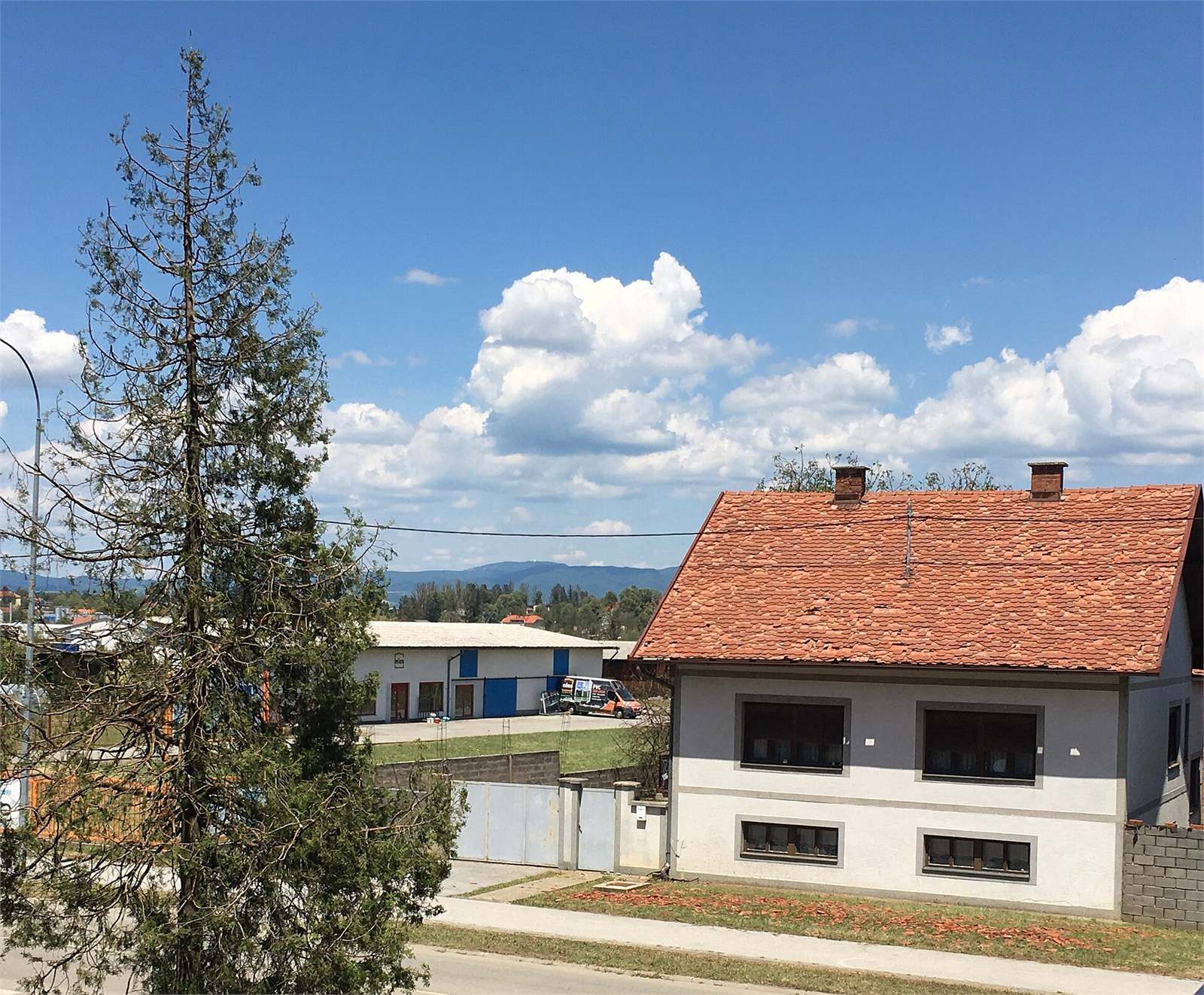
Consider a tile roof with scattered fresh breakage after hail and wind. Some tiles have clean fractures, others are displaced, and nearby metal or tree damage may provide context for the inspection. The decision letter says the roof does not meet the applicable hail-damage threshold, but the estimate contains no tile repair line and the field report does not identify which slopes or tile conditions were reviewed.
The records that matter are specific:
- the first notice of loss and the property inspection report;
- roof, exterior, and interior photographs with dates and written findings;
- measurements and any diagram identifying the inspected slopes and components;
- the carrier estimate, zero-dollar scope, or omitted tile line items;
- the policy form and any endorsement cited in the decision; and
- the decision letter stating the damage definition and factual reason for the outcome.
Those records can reveal a missing step without deciding coverage. A photograph may show a fracture that the report never mentions. The report may describe one roof slope while the measurements identify several. The decision may use a functional-damage term without stating whether broken, displaced, or chipped tiles were assigned to that category. Each gap affects the homeowner’s repair and cost decision because the physical condition may change once permanent work begins.
What a public adjuster contributes
A public adjuster can inspect accessible roof, exterior, attic, and interior areas; document the observable tile and related property conditions; and review the field report, photographs, measurements, estimate, policy, endorsement, and decision letter. The public adjuster can identify an observed component that the written decision does not address, organize the supported scope, and present the factual discrepancy for claim-file consideration.
That work does not determine coverage, prove hail causation, or promise payment. It gives the homeowner a documented basis for deciding whether to maintain temporary protection, proceed with repairs, absorb the cost, or seek a clearer written explanation before the condition changes.
When a hail-damage definition shapes a tile-roof decision, a public adjuster can inspect and document the property, review the inspection report, photographs, estimate, policy, endorsement, and decision letter, and identify where an observed tile condition is not addressed in the written reasoning. A Georgia storm and hail claim overview explains related claim records. Coverage and outcomes depend on the policy, facts, jurisdiction, and applicable law.