
August 21, 2026
When a Roof Estimate Changes After Remote Review
A homeowner may receive an estimate after a field inspection, begin planning the roof work, and then receive a revised version with a slope, flashing item, interior repair, or temporary protection removed. The number changed, but the more important issue is why: whether new property evidence was added, whether a remote reviewer used a different damage definition, and whether the decision letter explains the missing line item.
That is a real repair decision, not an abstract insurance question. If the removed item addresses visible damage or required access, the homeowner may have to decide whether to accept an incomplete scope, pay the difference, delay repairs, or seek a written explanation before proceeding.
What the Oklahoma reporting puts in view
An Oklahoma Watch investigation into roof-claim practices reported on Oklahoma litigation involving State Farm and Allstate. Attorneys quoted by the publication said they had accumulated more than 1,200 bad-faith cases and described disputed roof-damage definitions, historical claim-processing programs, internal claim metrics, remote file review, and discovery fights. The report also described pending court proceedings.
Those are allegations and procedural developments in named Oklahoma matters. They do not establish insurer conduct outside those cases or resolve a particular Georgia property claim. The useful lesson for a homeowner is narrower: when a roof decision changes after another review, the claim file should show the factual reason for the change.
Identify the exact item that changed
A revised total can hide the actual decision. Start with the line item, roof area, quantity, or repair operation that disappeared or changed. A useful review may include:
- the field inspection report, annotated photographs, measurements, and the first estimate;
- the revised estimate, decision letter, policy language cited, and any written explanation from the reviewer;
- contractor scope notes, repair photographs, emergency invoices, and records showing the condition before temporary work altered the scene.
Read those records in date order. If the field report documented impact to a roof slope but the revised estimate omits that slope, the file should explain what evidence or rule produced the new result. If flashing, access, interior finishes, or temporary protection were removed, each change should have a stated factual basis.
For a broader overview of estimate gaps, see what to do when an insurance estimate is too low.
What a public adjuster can do with the record
A public adjuster can inspect the property, review the field report and both estimates, and build a factual change log. That work can identify the precise item at issue, the damaged location it addresses, the photographs or measurements that support it, and any unanswered question that still requires a qualified opinion.
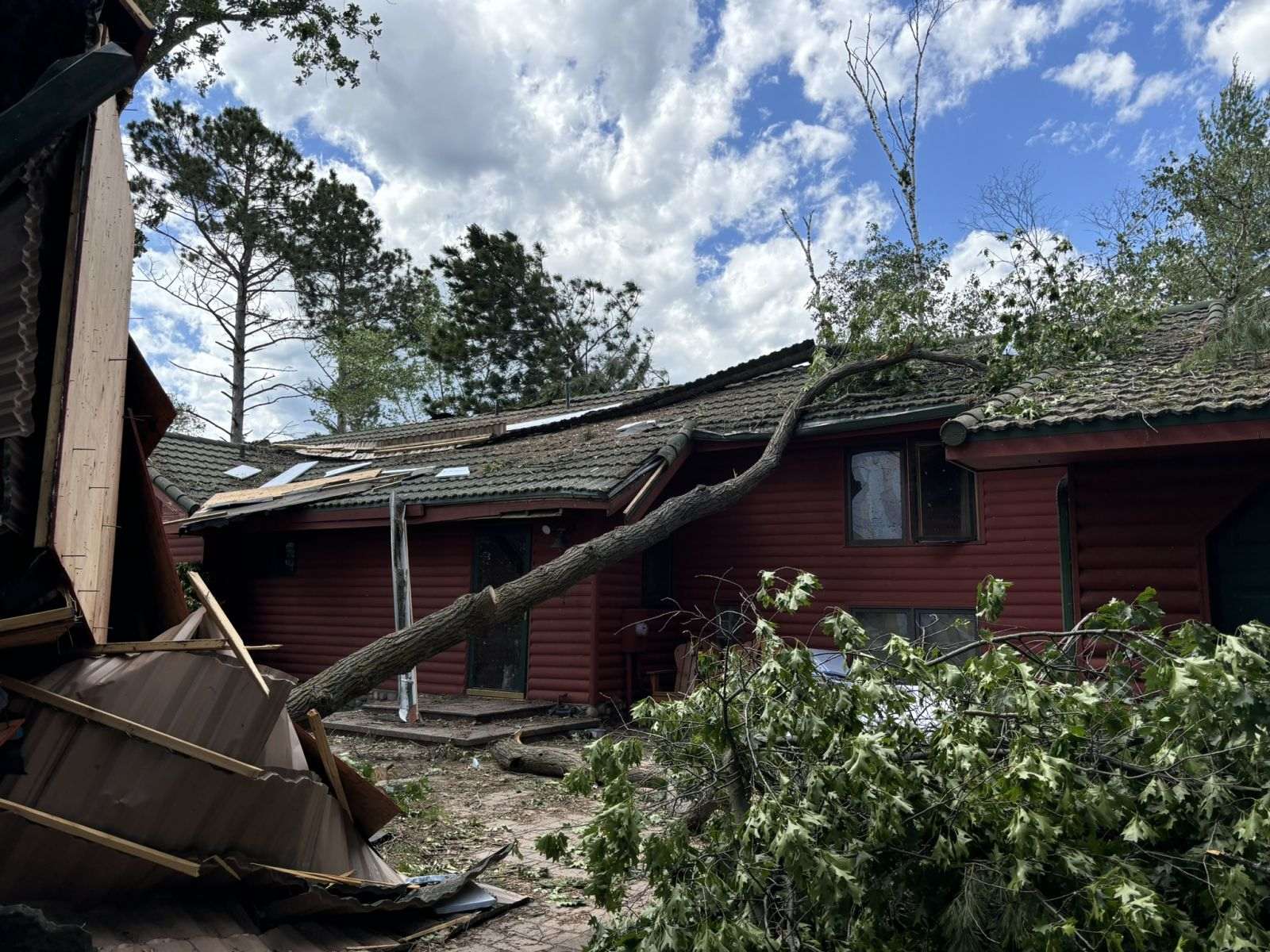
For a tree impact that damaged the roof, that may mean documenting the roof covering, sheathing, framing, flashing, interior water path, debris handling, temporary protection, and repair access. The public adjuster can then present the supported scope and document the omitted item in writing. The contribution is property inspection and claim-document analysis; it is not a promise that coverage or payment will follow.
Make the repair decision from a complete explanation
A changed estimate is not automatically wrong, and an omitted item is not automatically covered. But the homeowner should be able to see what changed, who made the change, what evidence was used, and how the written decision addresses the field record.
When a remote review changes a roof estimate, a public adjuster can inspect the damaged areas, review the field report, photographs, measurements, first and revised estimates, and decision letter, then explain whether the supported scope warrants further review or supports accepting the decision. General educational information only; coverage and outcomes depend on the policy and loss facts.