
August 18, 2026
When an Older Home Has Fresh Wind Damage: Separating Prior Condition from the New Loss
After recent severe weather damages an older home, the age of the building can complicate the claim record. Weathered paint, past patches, older roofing, settled trim, and previous repairs may sit next to newly broken windows, lifted roof edges, displaced porch materials, or fresh interior openings. A photograph taken after the event can show all of those conditions at once without explaining which came first.
A public adjuster can add value here by building a dated, component-by-component chronology. The purpose is not to label every worn surface as storm damage. It is to separate known prior conditions from documented changes, preserve uncertainty where the evidence is incomplete, and connect supported repair items to the observed loss. Cause, coverage, and payment remain policy- and evidence-specific decisions.
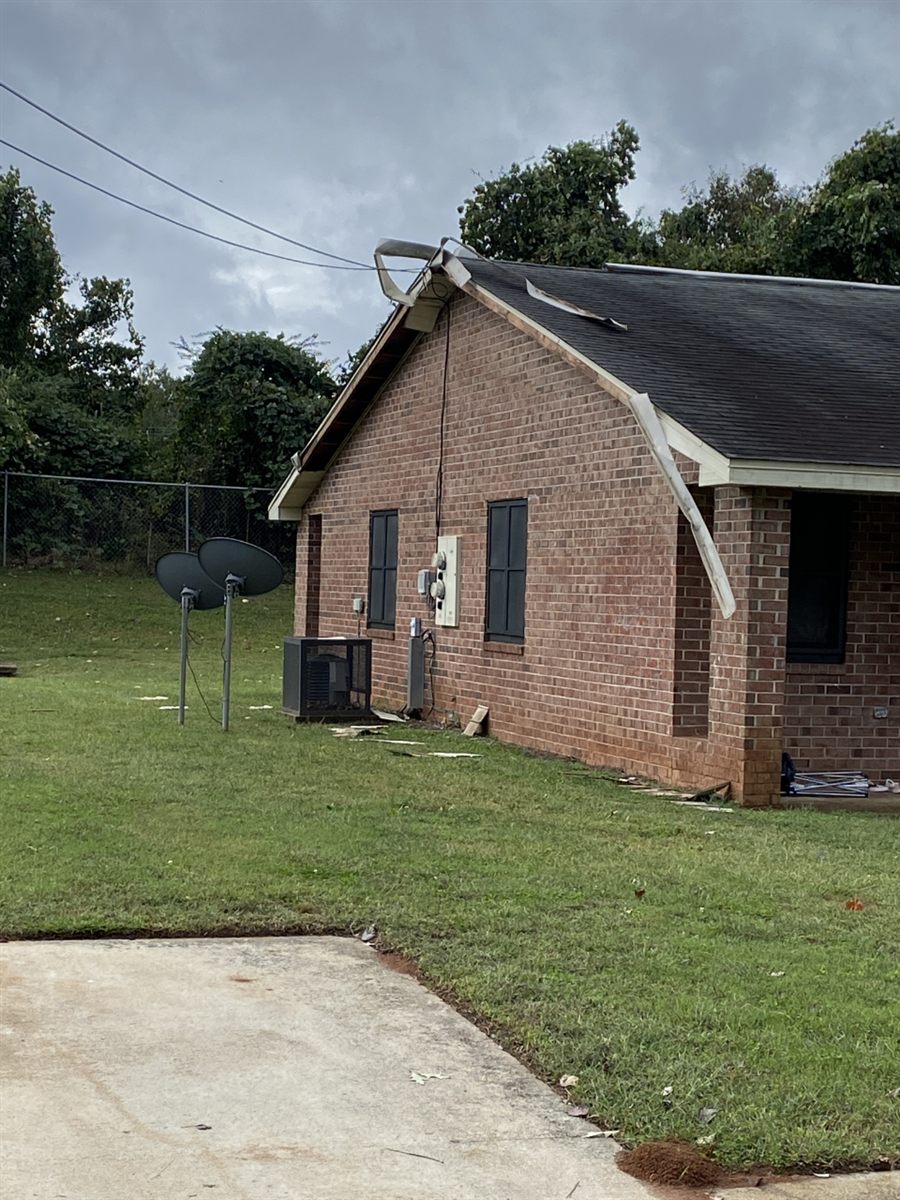
Start with the best available baseline
A useful baseline may come from more places than a formal inspection report. Pre-loss real-estate photographs, maintenance invoices, roofing or window records, permit files, family photographs, and contractor records can show how particular components appeared before the weather event. The public adjuster can organize those materials by date and location, then align them with post-loss photographs and measurements.
The comparison should be specific. "The house was old" is not a component finding. A better record identifies the roof plane, window, porch section, siding area, or interior room; notes what earlier evidence shows; and states what the new evidence does or does not establish.
The chronology can keep two groups of records distinct:
- dated pre-loss photographs, maintenance invoices, permits, and contractor records;
- post-loss photographs, measurements, emergency invoices, and qualified repair findings.
For a broader list of records that may be gathered after property damage, see this property-damage claim documentation checklist.
Preserve the scene before emergency work changes it
Broken glazing, loose roof materials, an unstable porch edge, or an opening exposed to rain may require prompt safety work. The National Weather Service advises staying away from damaged buildings and downed power lines during high-wind hazards. Safety comes first, and qualified emergency work should not wait for a perfect claim file.
When it is safe, the chronology can include photographs taken before temporary covering or removal, emergency-service notes, invoices, materials removed, and follow-up images. A public adjuster can reconcile those records so later reviewers understand what was visible before the scene changed and what the emergency work addressed.
Mark the difference between evidence and assumption
Older homes often contain layers of repair history. A stained board may predate the event. A broken window may be fresh. A patched roof area may have both old and new disturbance. The record is stronger when those distinctions are stated plainly.
A public adjuster can use labels such as documented pre-existing condition, documented post-event change, consistent location requiring qualified evaluation, and unresolved. That approach prevents age alone from becoming a substitute for evidence and prevents an uncertain item from being presented as established storm damage.
Tie supported repairs to exact locations
Once the chronology is organized, the repair scope can be checked against the conditions it is meant to address. Each item should point back to a component, location, photograph, measurement, invoice, or qualified repair opinion. Access work, matching transitions, temporary protection, debris handling, and interior finishes may belong in separate categories when the evidence supports them.
NOAA’s National Severe Storms Laboratory explains that damaging straight-line winds and downbursts can damage structures. That general information helps describe a possible mechanism, but it does not establish what happened at one address. The property-specific record still has to do that work.
Build a record that can withstand a difficult review
For an older home, a public adjuster’s contribution is disciplined separation: prior condition on one side, documented new changes on the other, and unresolved questions clearly marked. That chronology can reveal a supported repair item missing from an estimate without converting age, wear, or uncertainty into a claim fact.
This article is general educational information. It is not legal advice, engineering advice, a coverage opinion, or a promise of any claim result.