
August 24, 2026
When Smoke-Testing Costs Are Separated From a Fire Claim
After a house fire, a home may have visible damage, smoke residue, and rooms that look untouched. The carrier estimate may address demolition and cleaning while a separate decision letter denies hygienist or environmental testing, assigns that testing to another cost category, or leaves the request unanswered. That can affect the repair schedule and leave a homeowner deciding whether to authorize cleanup before the testing scope and its cost treatment are stated in writing.
The practical issue is not whether every fire loss needs the same test. It is whether the claim file states what was requested, what inspection occurred, how the testing cost was classified, and why the carrier accepted, denied, or deferred that item. Without that record, cleaning can change the physical scene and a homeowner may face delay or an out-of-pocket cost while the reason for the decision remains unclear.
What a current California enforcement action says
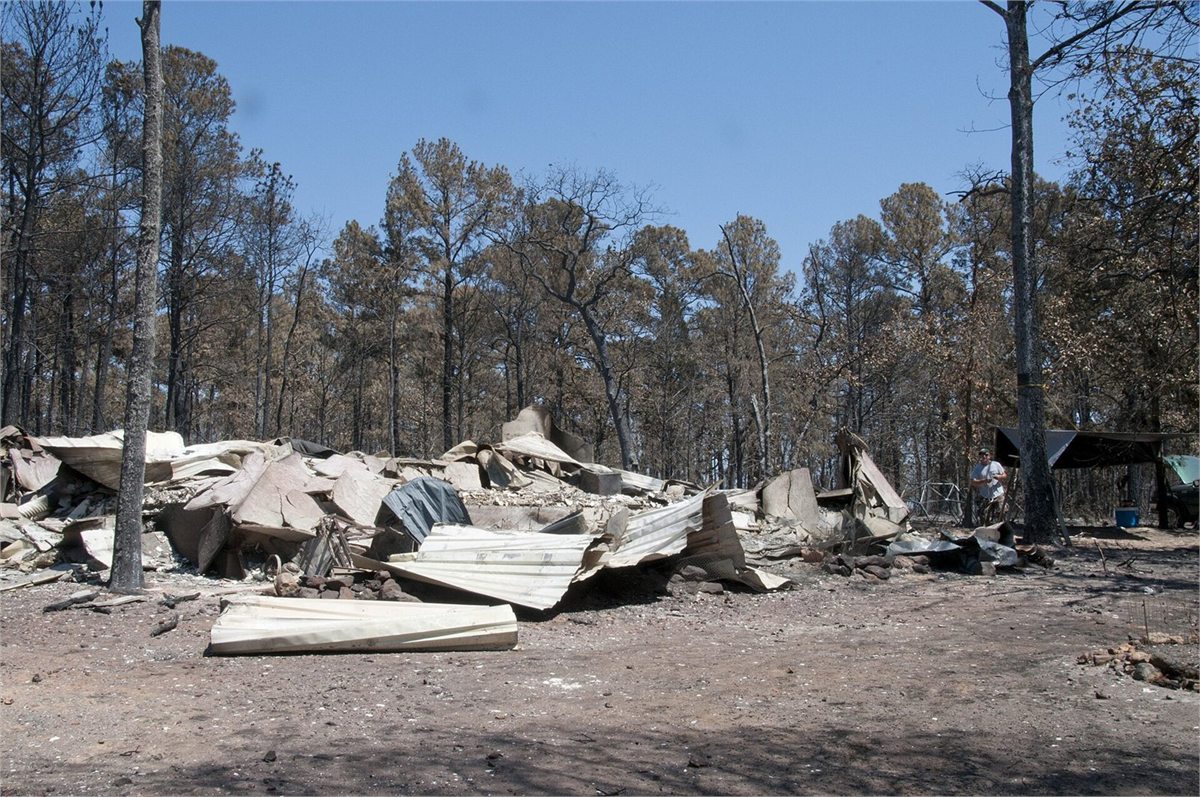
In May 2026, the California Department of Insurance announced an enforcement action concerning State Farm General’s handling of claims from the 2025 Los Angeles wildfires. The department reported that examiners reviewed 220 claims and identified alleged violations in 114. For smoke-damage claims, it said examiners found missing written denials for hygienist and environmental testing, misclassified testing costs, and inspection-related policy representations.
The department also described the filing as an Accusation and Order to Show Cause, the first step toward a public administrative hearing. Penalties would require the later legal process. Those California findings and allegations concern a named insurer, a defined wildfire event, and California rules. They do not establish how another insurer or a Georgia claim was handled.
An Oklahoma Watch investigation published in August 2026 reported on separate Oklahoma litigation involving roof-damage definitions, remote review, discovery disputes, and named parties. Those reported allegations remain tied to the Oklahoma cases. Taken as source examples, the two records show why claim-handling language should be attributed to the correct proceeding and why the homeowner’s actual decision letter matters more than a broad assumption about industry conduct.
Trace the testing decision through the file
A useful fire-claim file can preserve the records that show what was observed, requested, priced, and decided:
- field inspection reports, room photographs, and a hygienist proposal or report;
- the carrier estimate plus cleaning and demolition scopes; and
- the policy provisions cited, denial letter, and required status letters.
Dates matter because testing proposed before cleaning answers a different factual question than sampling performed after materials have been removed. Covenant’s Georgia fire and smoke damage claim guide provides broader educational context for documenting this type of loss.
Suppose smoke residue is reported in bedrooms and an HVAC return, but the estimate includes only surface cleaning in the kitchen and hallway. The homeowner needs a stated reason before deciding whether to begin restoration, preserve affected materials for testing, or seek another written claim decision. The decision letter should identify whether testing was inspected and accepted, denied under a cited policy provision, deferred for more information, or assigned elsewhere in the estimate. A broad total does not answer those scope and timing questions.
What a public adjuster contributes
A public adjuster can inspect accessible rooms and materials, document the location and sequence of reported smoke conditions, and review the field report, photographs, hygienist records, estimate, policy, invoices, and decision letter. The public adjuster can organize a room-by-room scope showing which testing and restoration items were addressed, which were omitted, and which need a written factual response.
That work does not determine coverage, prove that testing is required, or promise payment. It gives the homeowner a documented basis for choosing whether to proceed with cleanup, preserve materials, absorb a testing cost, or seek another written claim decision.
Before restoration changes the scene, the focused question is whether the field report, hygienist record, estimate, policy language, and decision letter state how the smoke-testing scope and cost were handled. A public adjuster can inspect the property and review those records without promising coverage or an outcome. General educational information only; claim decisions depend on the policy, facts, jurisdiction, and applicable law.