
June 1, 2026
When the Insurer Says Wear and Tear, Ask What Actually Caused the Damage
Referenced source: Georgia Office of Commissioner of Insurance and Safety Fire: Insurance Claim Tips
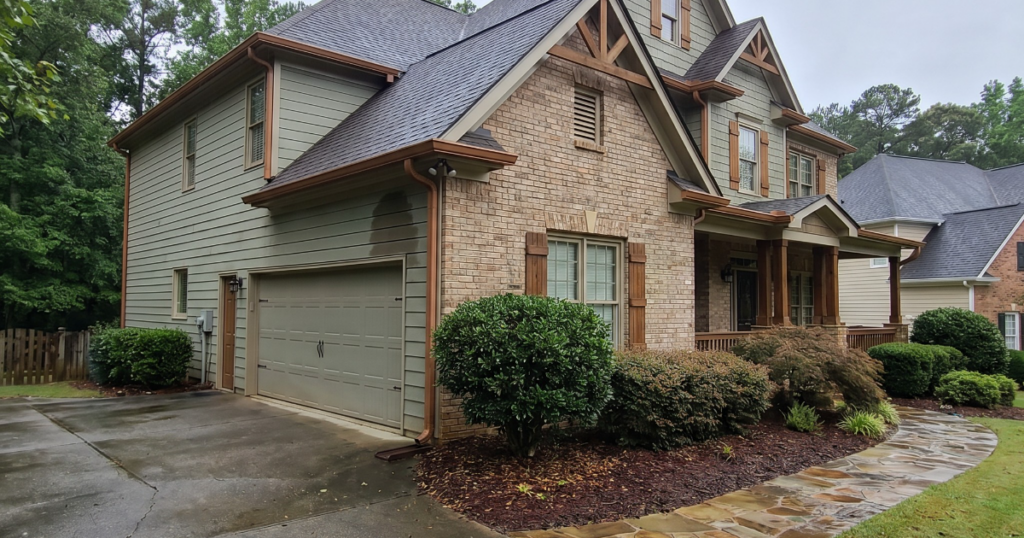
A new ceiling stain, damp trim, attic drip, loose gutter, or lifted shingle can be frustrating enough. It gets more confusing when the first explanation is simply “wear and tear.”
Wear and tear may matter. So can maintenance, age, exclusions, sudden damage, wind, hail, water entry, and the exact policy language. The important point is that a label is not the same as a complete explanation of what caused the damage.
Referenced sources
- Georgia Office of Commissioner of Insurance and Safety Fire: Insurance Claim Tips
- NAIC: Homeowners Insurance
Why the cause matters
The NAIC explains that homeowners policies pay for damage caused by covered perils, subject to the policy limits and the contract terms. Some policies work by covering all perils unless excluded. Others cover only the named perils listed in the policy. Either way, causation and exclusions matter.
That is why “the roof is old” or “the gutter has wear” may not answer the full claim question. An older roof can also have sudden wind damage. A worn seal can exist near new water intrusion. A gutter can be aging and still be damaged or displaced by a storm. The claim-worthy question is what changed, when it changed, and what the policy says about that cause.
What to ask before accepting the answer
Georgia’s insurance claim tips tell consumers to ask questions if there is a disagreement about the claim settlement, ask for the specific policy language in question, and get a written explanation when a claim is denied. Those are practical steps when wear and tear is mentioned.
- What exact damage is being called wear and tear?
- What evidence supports that conclusion?
- Was any sudden wind, hail, water, fire, smoke, or impact damage found?
- Which exclusion, limitation, or policy section is being applied?
- Is any related damage covered even if part of the repair is maintenance?
- Is the settlement itemized so scope, quantities, depreciation, and deductible are clear?
What homeowners should document
Before permanent repairs change the scene, take wide photos that show where the damage sits on the home, then take close photos of the stain, shingle, gutter, flashing, siding, trim, flooring, or ceiling area. Keep receipts for temporary repairs and save any damaged materials the adjuster may need to inspect when it is safe and practical.
Write down when the damage was first noticed, what weather or event came before it, and what changed from the last time the area looked normal. If a contractor or roofer inspected it, save the photos and notes that explain what they saw, not just the final price.
Practical claim lesson
Not every older or worn component creates a covered claim. At the same time, not every insurer explanation should end the review. The better question is whether the facts, photos, timing, repair scope, and policy language support the conclusion.
Covenant perspective
Covenant Claim Group helps Georgia homeowners look at visible damage, causation, exclusions, depreciation, and policy language before deciding whether a claim or follow-up makes sense. If you received a wear-and-tear explanation but the damage looked new after weather, water, fire, smoke, or impact, it may be worth a closer review before permanent repairs erase the evidence.
For a Georgia property damage review, call or text 470-676-4008 or email info@covenantclaims.net.
This post is general information for Georgia property owners and is not legal advice. Claim decisions depend on the policy, damage conditions, cause of loss, documentation, and insurer review.